Restoring the Banks of Waterways in the Shoalhaven Region
Water Technology assessed the extent of bank erosion and determined the feasibility of bank treatment options...
The Shoalhaven Region is located approximately 200km south of Sydney, encompassing a diverse landscape that includes coastal plains, beaches, mountains and rivers. The local communities and visitors highly value the local environment and access to the waterways within the area. The region also has a rich Indigenous history, with many sites of cultural significance. Council has previously identified riverbank and foreshore erosion across seven sites in the Shoalhaven Region, which is threatening natural habitats, infrastructure, safety and cultural heritage.
While riverbank and foreshore erosion can occur naturally due to streamflow, tidal processes and wave dynamics typical of estuarine environments, these effects are normally balanced by natural deposition. However, anthropogenic disturbances combined with more frequent storm events have disrupted these complex processes across the sites, leading to increased occurrence of erosion.
Shoalhaven City Council engaged Water Technology to assess the extent of bank erosion, determine the feasibility of bank treatment options and develop concept designs of preferred treatment options at each of the seven sites.
Assess the extent of bank erosion. determine the feasibility of bank treatment options and provide associated concept designs
Shoalhaven Region New South Wales
Shoalhaven City Council
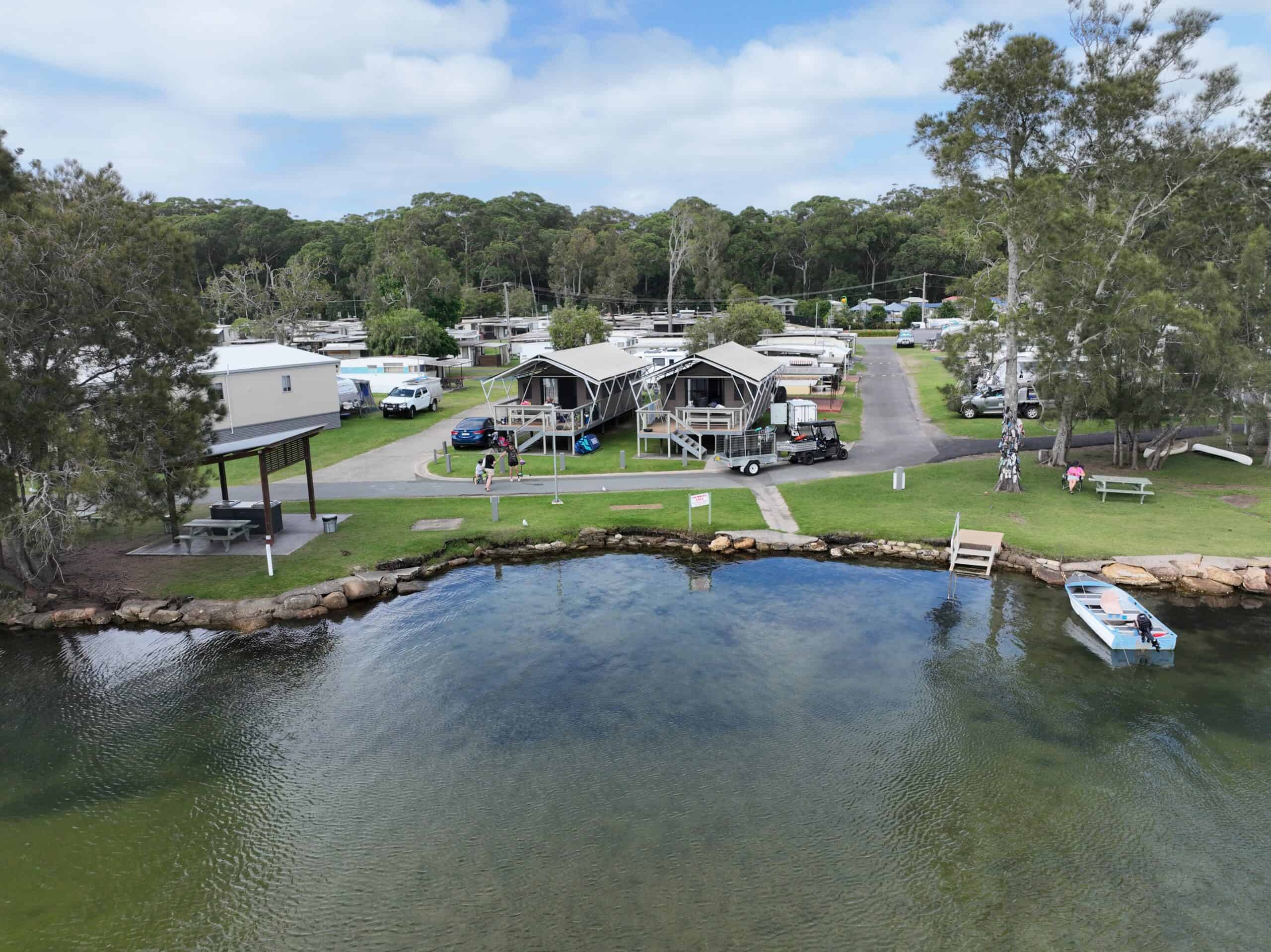
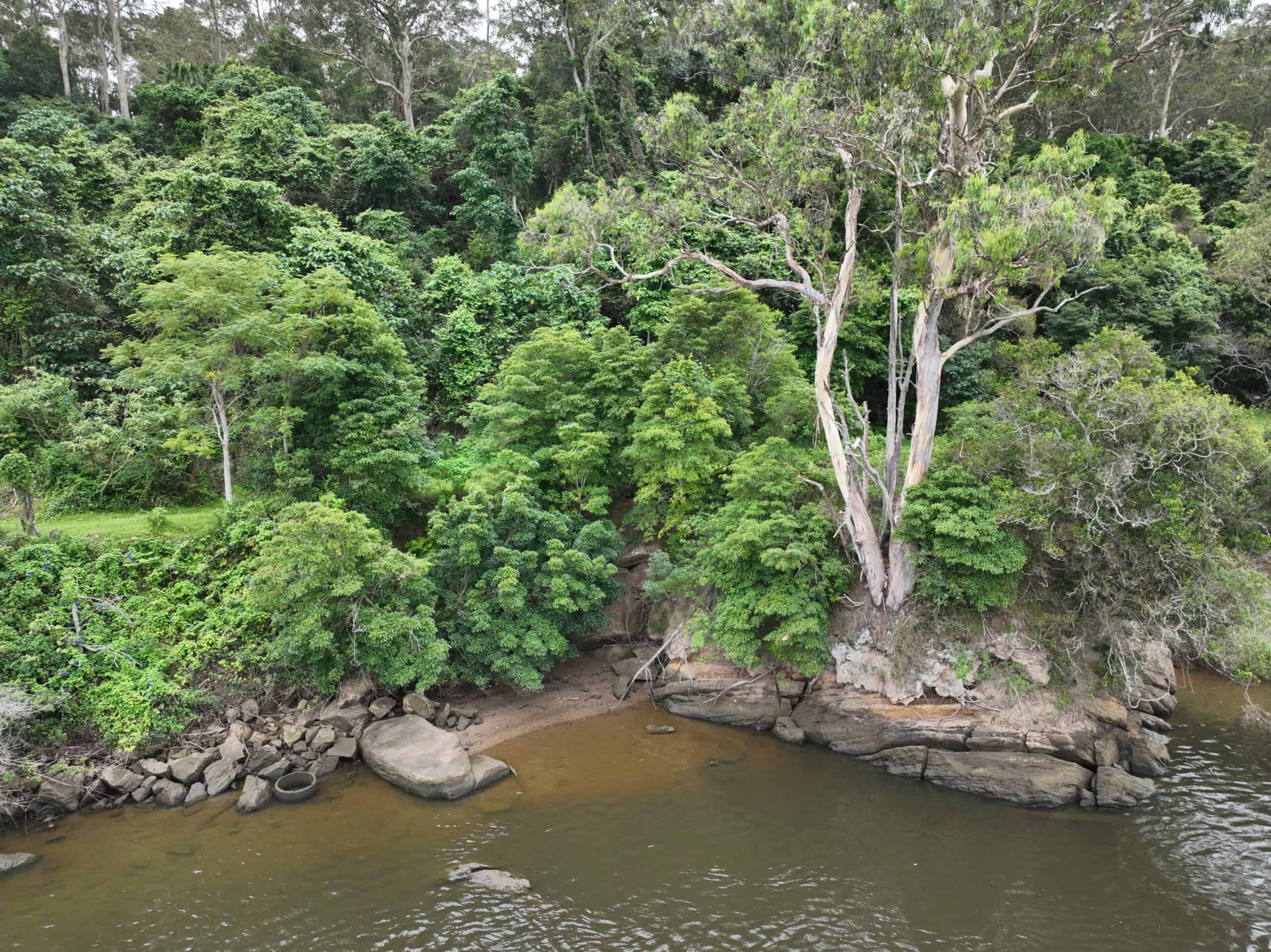
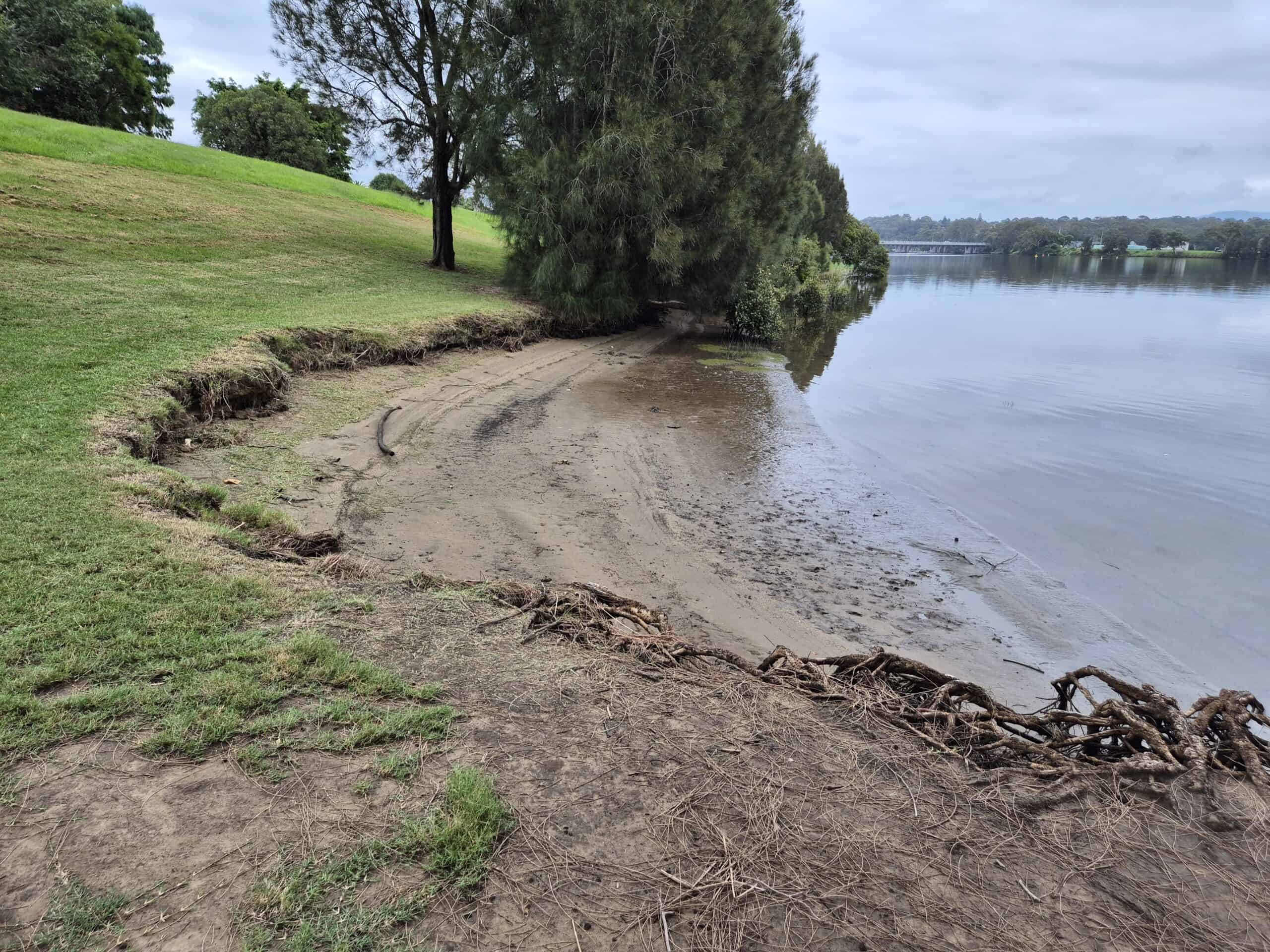
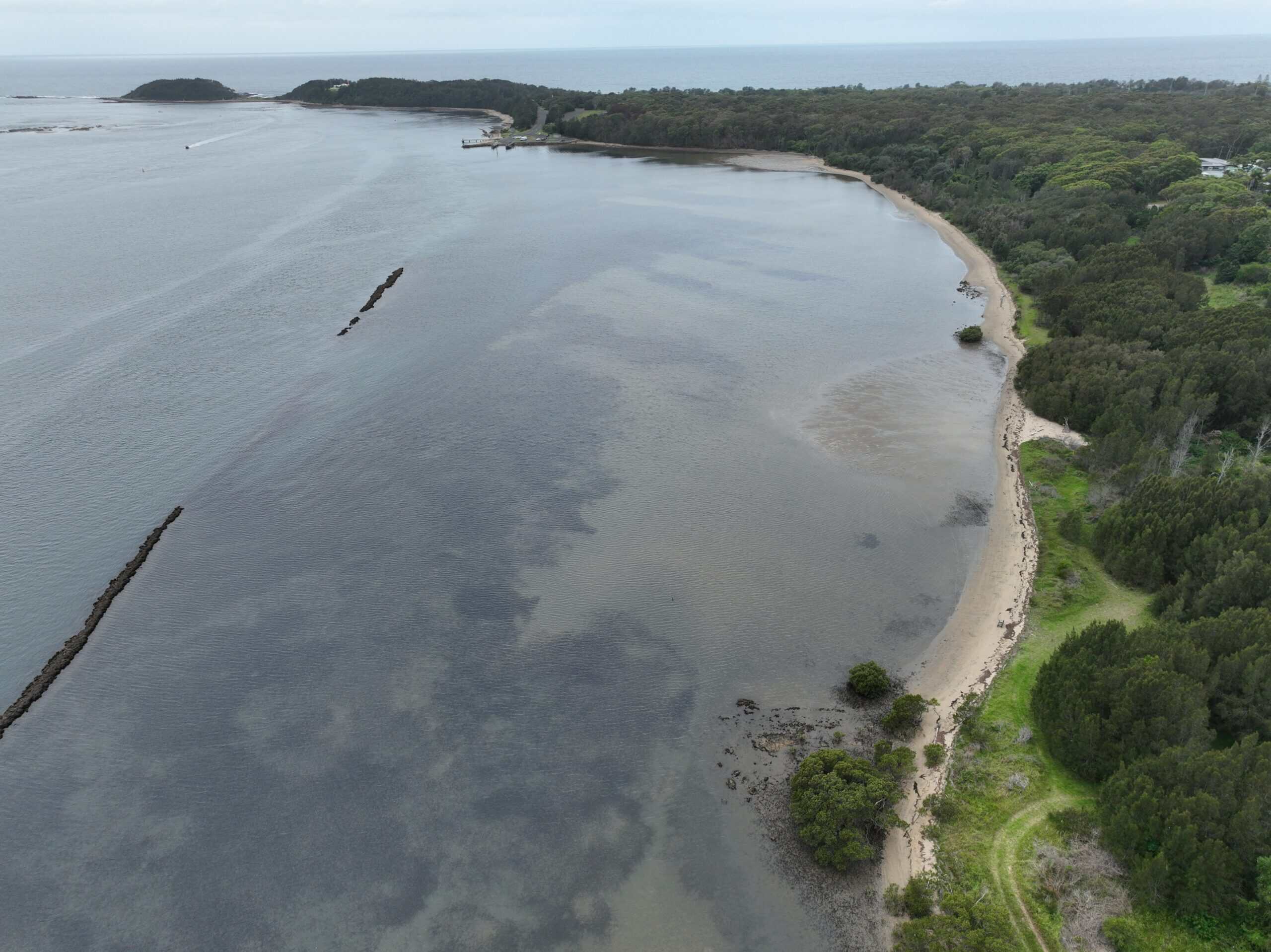
Site visits were conducted with representatives of the Department of Climate Change, Energy, the Environment and Water, Council and Water Technology to determine the specific issues, associated risks, constraints and opportunities at each of the sites.
The use of nature-based solutions was considered throughout the optioneering and concept design processes to ensure that nature positive approaches were incorporated and hard engineering solutions were avoided where possible.
The nature-based solutions approach creates opportunities to address environmental challenges through designs that enhance both land and water ecosystems while minimising the negative impacts typically associated with more hard-engineered solutions.
The nature-based solutions considered as part of the options assessment included:
Several treatment options were proposed for each of the seven sites, which included high level information on costs, benefits, potential adverse impacts, configuration and expected effectiveness.
Implementation of the recommendations has commenced for one of the sites, with on-ground work to proceed in due course for other sites.
Water Technology assessed the extent of bank erosion and determined the feasibility of bank treatment options...
Water Technology supported the development of the innovative mangrove wetland, from the vision to the conceptual design through to monitoring post construction...
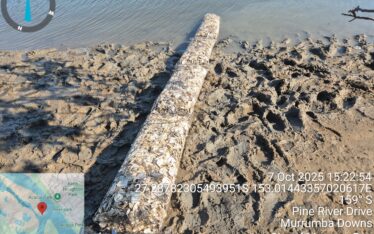
Water Technology provided support with the design and certification of oyster reef installations, in addition to monitoring and recording changes in the upstream and downstream locations of the oyster reefs...