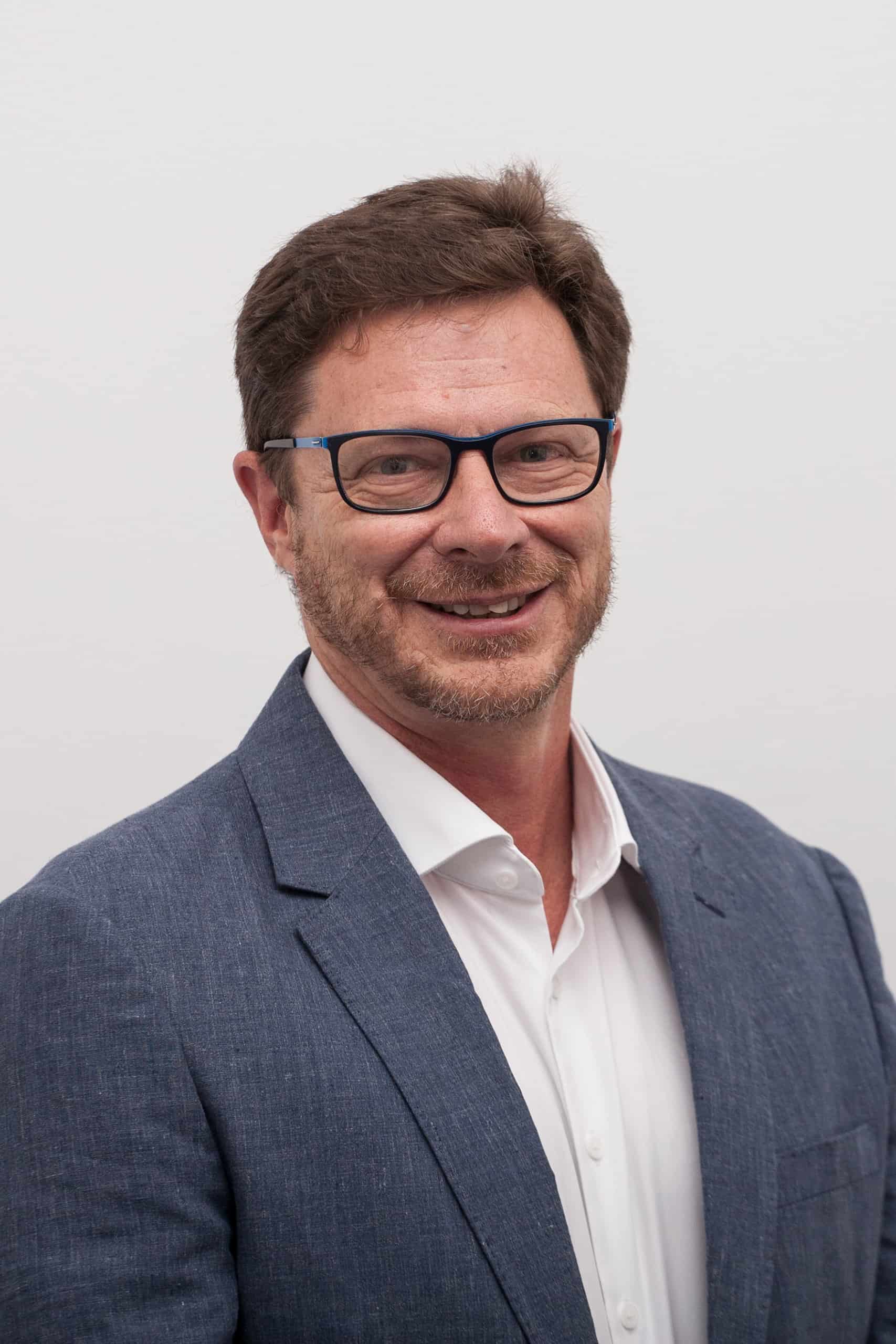
Steve is the Managing Director for Water Technology and has over 25 years’ experience as a specialist in the water resources and coastal engineering fields specialising in flood/inundation risk and risk management. He has an Honours Degree in Engineering and a Master of Engineering Science from the University of Queensland.
Steve’s work in waterway, floodplain and floodplain risk management; and infrastructure investigations have frequently utilised advanced hydrodynamic modelling systems on projects throughout Australia and Internationally. Of note, between 2002 and 2005 Steve was the principal hydraulic modeller on the Yangtze River Flood Warning and Control Project, a major 5 year co-operative project between the Governments of Australia and China.
As part of the Australian Government’s commitment to Disaster response through the Australian Civilian Corps, Steve recently a deployment to Samoa to assist in recovery and reconstruction (with an emphasis on flood and floodplain risk management to crucial infrastructure) following Tropical Cyclone Evan and has an ongoing association with the Water Resources sector in Samoa.
Steve has significant experience with the incorporation of flood risk information in Planning Schemes and the future challenges posed by incorporating climate change considerations within a planning framework, as well as providing hydraulic design input for development & infrastructure proposals.
Steve provides expert review services and has appeared as an expert witness in the Queensland Planning & Environment Court and Land Court as well as the Victorian Civil and Administrative Appeals Tribunal.
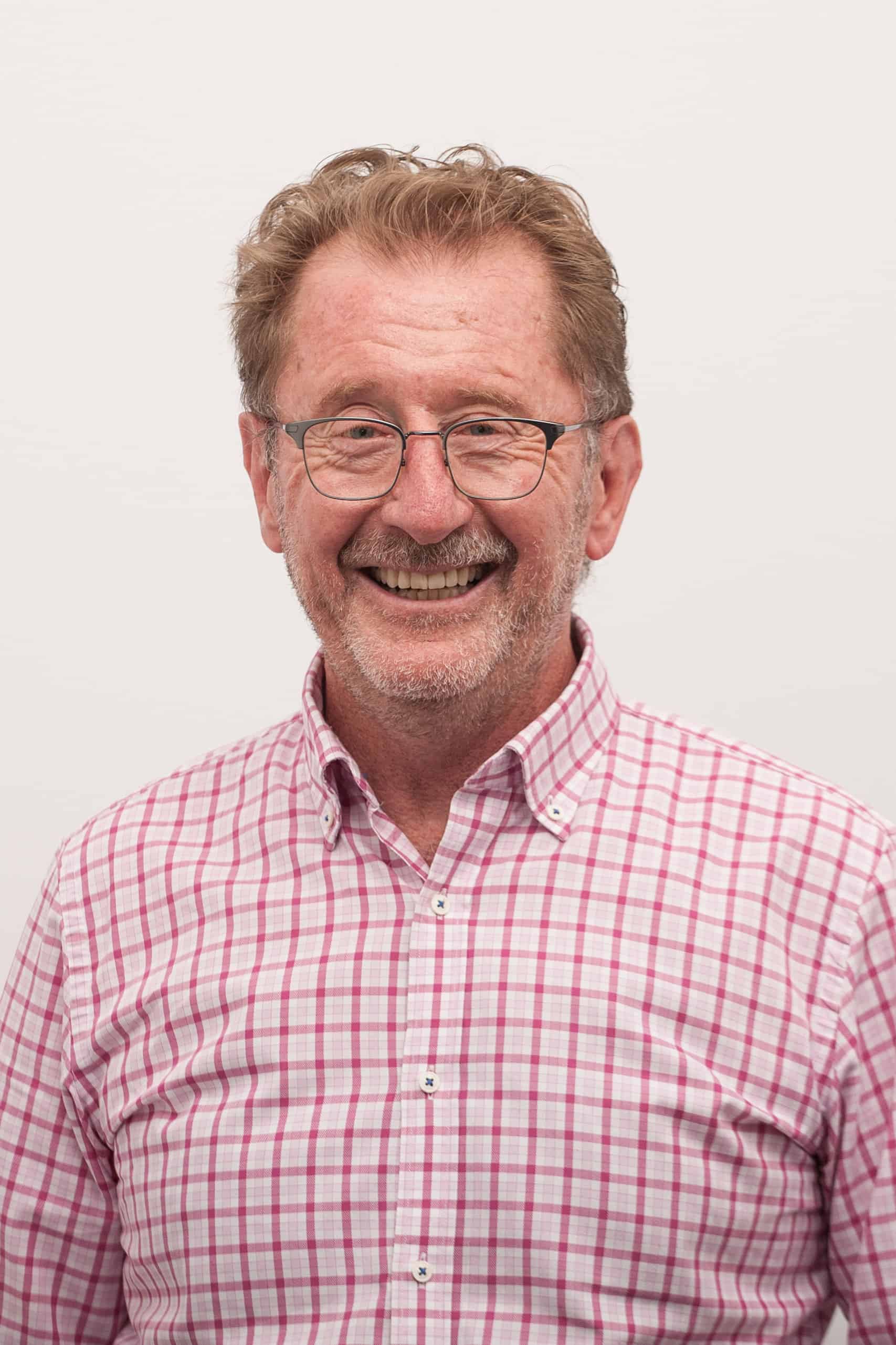
Tony is a Director of Water Technology and the State Manager for Queensland. He has considerable Australian and International water engineering expertise in the areas of numerical flood and water quality modelling, field data collection and assessment, water sensitive urban design, water quality management, catchment management and sewerage and water supply planning. His expertise has been gained through working with the Queensland Department of Local Government/Water Quality Council for a number of years, advanced University studies, a one year work period at HR Wallingford in the UK and twenty seven years’ experience with BMT WBM (working extensively across Australia, the Pacific, South East Asia, the Middle East and the UK). Tony has a First Class Honours Degree in Civil Engineering, a Master of Engineering Science and a Post Graduate Certificate in Executive Leadership. Tony is also a Fellow of Engineers Australia and a Registered Professional Engineer in Queensland (RPEQ).
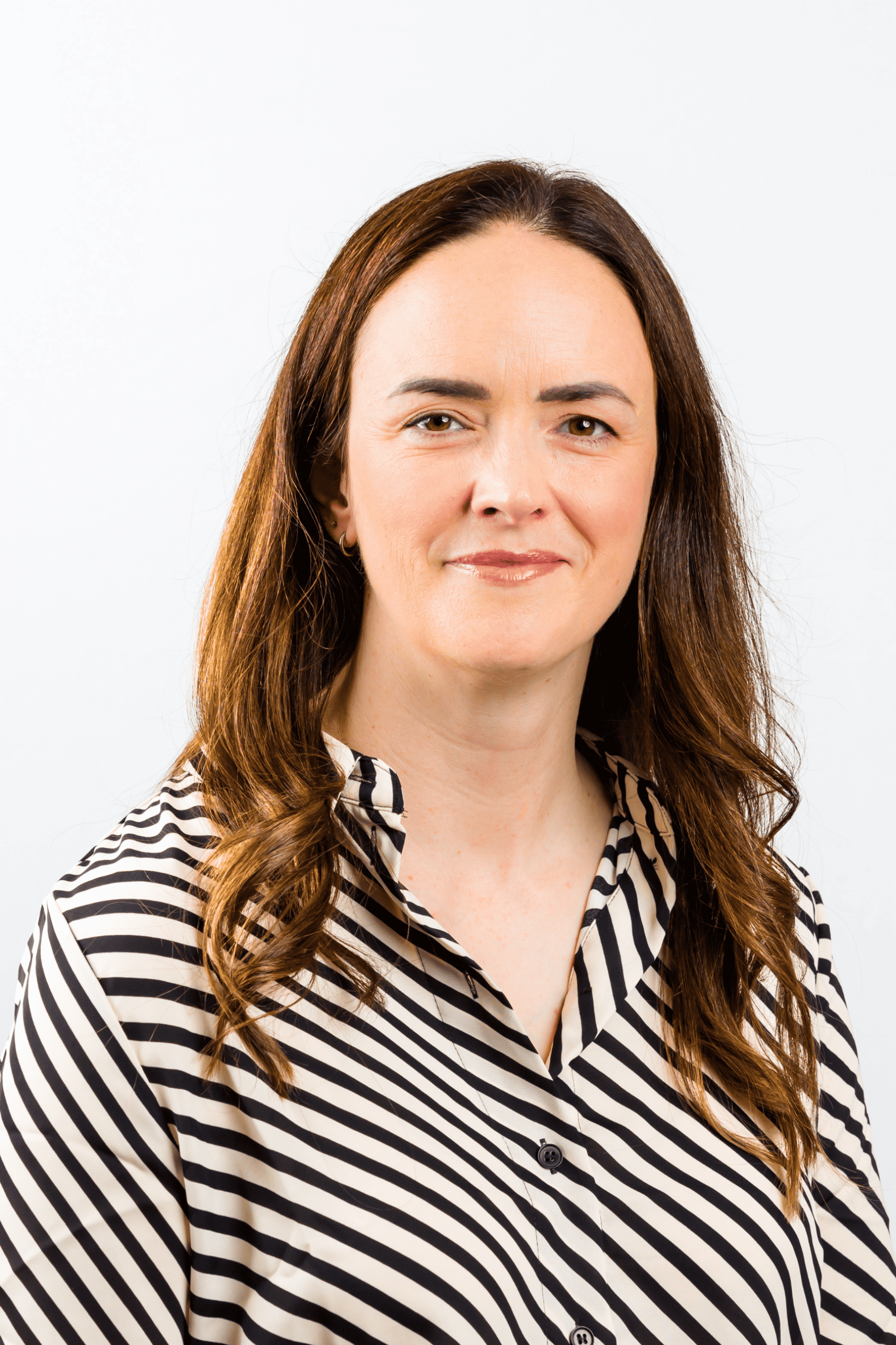
Johanna is a Director of Water Technology and a part of the Flooding Discipline leadership team. Johanna has over 20 years’ experience in the floodplain and waterway management Industry, with specialist experience working with and for Victorian Councils and Catchment Management Authorities on waterway and floodplain investigations.
Working from our Geelong office, Johanna provides extensive leadership and support to local and regional clients, focusing on enhancing their knowledge and understanding of water management.
Johanna possesses exceptional communication skills and brings a wealth of experience in community and stakeholder engagement. Her commitment lies in achieving cooperative, innovative, and high-quality outcomes for her valued clients.

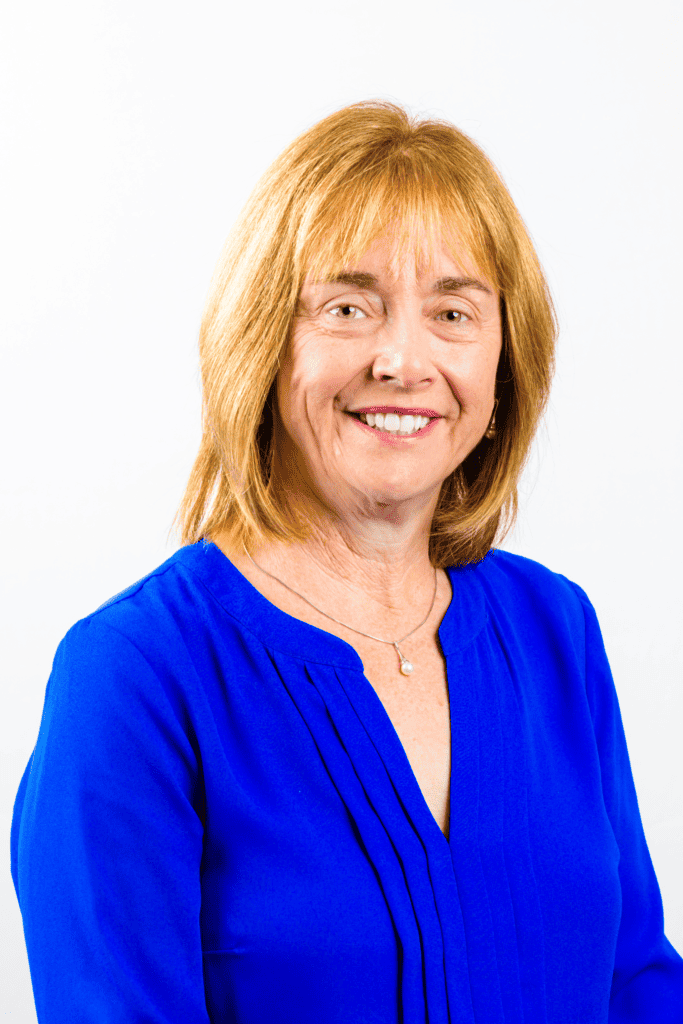
Karen is a Non Executive Director of Water Technology. With more than 14 years of experience as a company director and chair of committees and boards, Karen brings industry insights and a fresh perspective to the Board of Water Technology. Karen is a graduate of the Australian Institute of Company Directors and has a degree in Chemical Engineering. Karen’s experience includes 25 years in industrial operations working in the areas of sustainability, environment and risk. Karen’s work has taken her across all states of Australia and New Zealand, with some projects also being undertaken in South East Asia and the Netherlands.
Karen currently chairs the South West NRM Board which is a not for profit organisation improving environmental outcomes in Western Australia. She is also an independent director of Yinhawangka Aboriginal Corporation, a Native Title body based in the Pilbara region of Western Australia.
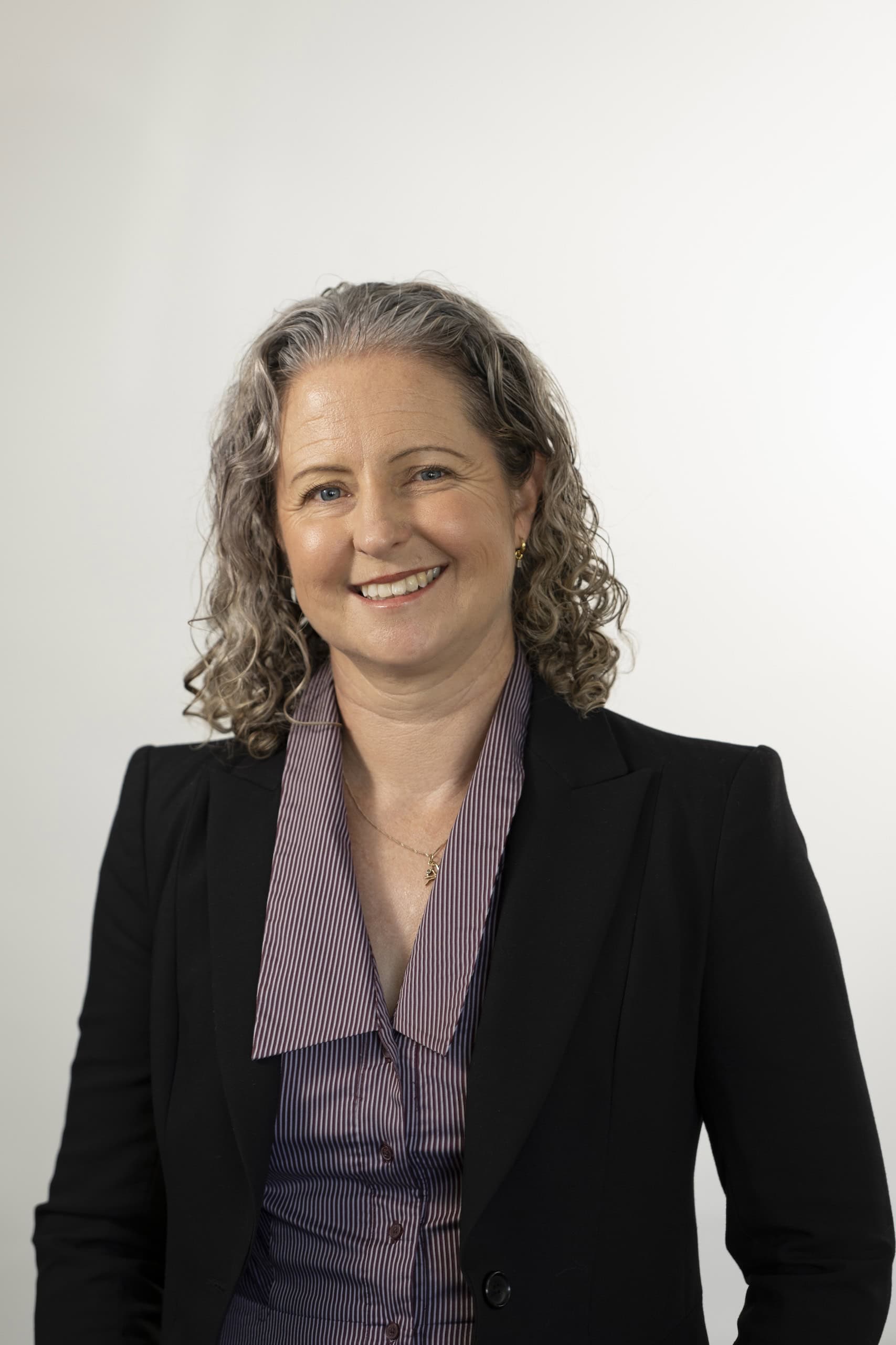
Nikki has 25 years’ experience in the groundwater industry, across the academic, government and private sectors. Her main area of interest is the application of environmental tracer and numerical modelling techniques to address questions relating to resource sustainability and management. More recently, Nikki’s focus has been on delivering science that addresses specific questions and needs of stakeholders. She has led numerous major resource assessment investigations in the Murray Basin, Eyre Peninsula and the South East of South Australia, including application of niche geochemistry and isotope techniques, and worked closely at the interface between science and water management.
Nikki was a Principal Hydrogeologist and Groundwater Modeller at Innovative Groundwater Solutions for nine years and worked with a range of projects for irrigation, mining and government clients, with a strong emphasis on the development of robust conceptual models, fit-for-purpose, defensible numerical models and strategic approaches for the management of groundwater resources. Nikki regularly works in a peer review role to ensure that clients achieve the best scientifically-based outcomes.
Nikki joined Water Technology in December 2024 and was appointed as a Director of Water Technology in February 2025.
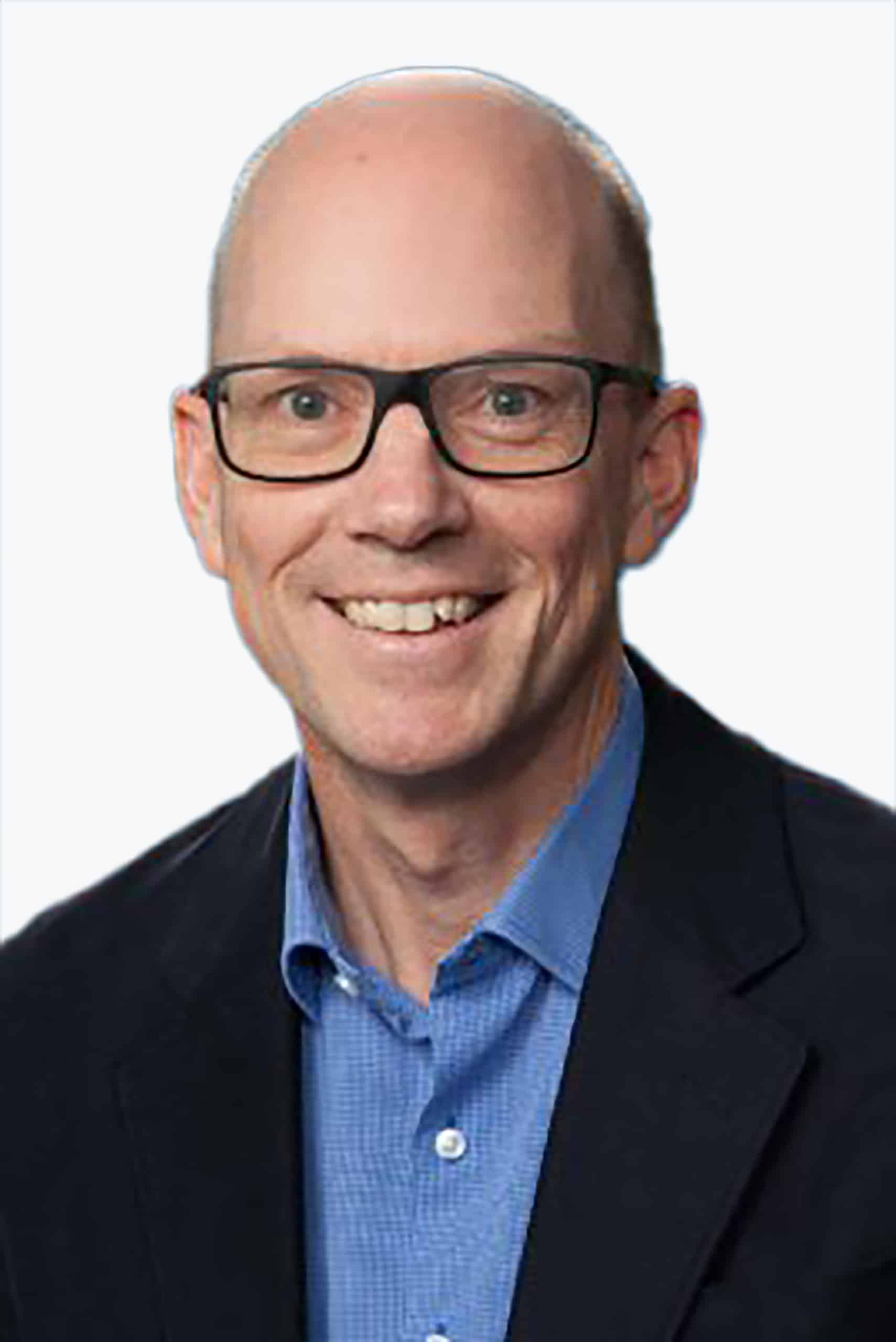
Warwick is a Director of Water Technology and has over 25 years of experience in surface water management.
He has led a wide variety of projects covering areas such as flood risk management, water quality, sediment transport, coastal hazard, WSUD and environmental flows. Warwick has an Honours Degree in Civil Engineering from the University of Melbourne and a Masters of Engineering Science Degree from Monash University, investigating the detailed hydraulics of stormwater treatment wetlands. Warwick has experience throughout Australia in both rural and urban contexts.
Since 2011 he has provided specialist input to the Flood Intelligence Unit of SES during both catchment and coastal flood emergencies. He is actively involved in Engineers Australia and is a past chair of the Victorian Water Engineering Branch Committee. Warwick has also contributed to the revision of Australian Rainfall and Runoff, with a particular focus on the application of flood models in urban areas.
Ben has many years of experience in flood modelling, hydrology, floodplain risk management and environmental water. Ben is well regarded in the floodplain management industry with strong contributions at a project level as well as emergency response, industry advice and training. Ben has excellent project management skills and a thorough understanding of floodplain management in Australia. Ben has taken the lead role in a large number of floodplain investigations in Victoria, in some of our most flood-prone communities. Ben is well connected across the industry and uses these connections to help draw together people from various organisations to help achieve positive outcomes for our clients, the community and the environment.

Filippo is an environmental scientist with extensive experience in disaster risk reduction, spatial analysis, remote sensing, and coastal zone management. He is an invited co-author of two UNESCO/IOC Manuals for inundation risk management in the Indian Ocean and the Mediterranean Sea, and of the 2014 United Nations Global Assessment Report on Disaster Risk Reduction. He has published ten scientific papers (nine as primary author) in international high-impact journals, including the prestigious open-access journal of Nature.
Gildas is an international expert in coastal engineering. He has over 20 year experience in the delivery of investigation, design, documentation, planning, environmental study, and project management of coastal, ocean and maritime projects. He has delivered many high-profile projects such as major beach nourishment works, resilient coastal works, port and offshore works, waterfront redevelopment as well as underwater and floating structures in Australia and overseas. Gildas has prepared many practical coastal management plan and strategies for climate change adaptation for a broad range of communities and stakeholders which recognised the importance of working with both nature and culture.
Gildas is active in several research and scientific projects, having delivered over 20 publications to technical journals and conferences. He is the Climate Change Champion for the Maritime Commission of the Permanent International Association of Navigational Congresses, which is the world association for waterborne transport infrastructure.
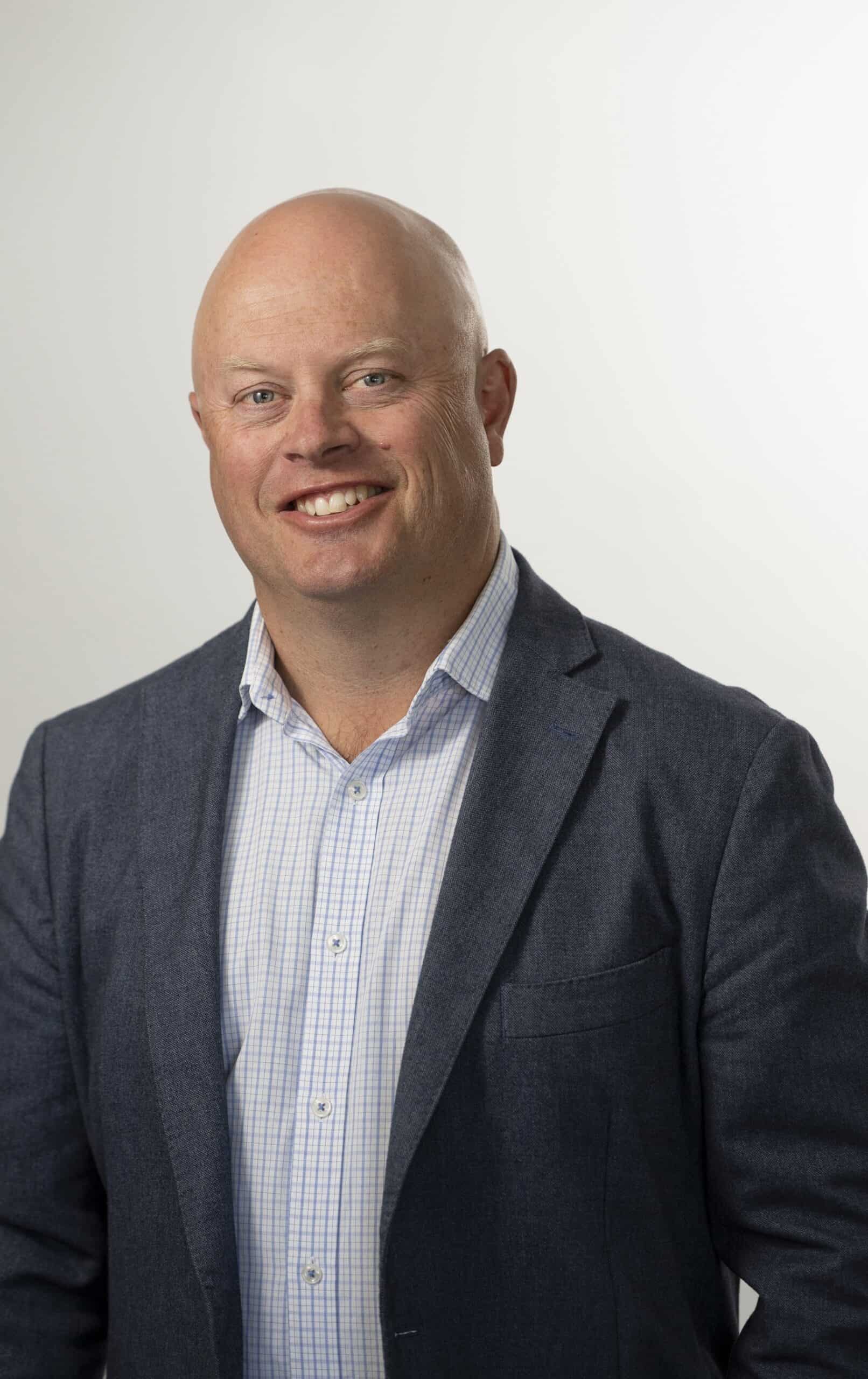
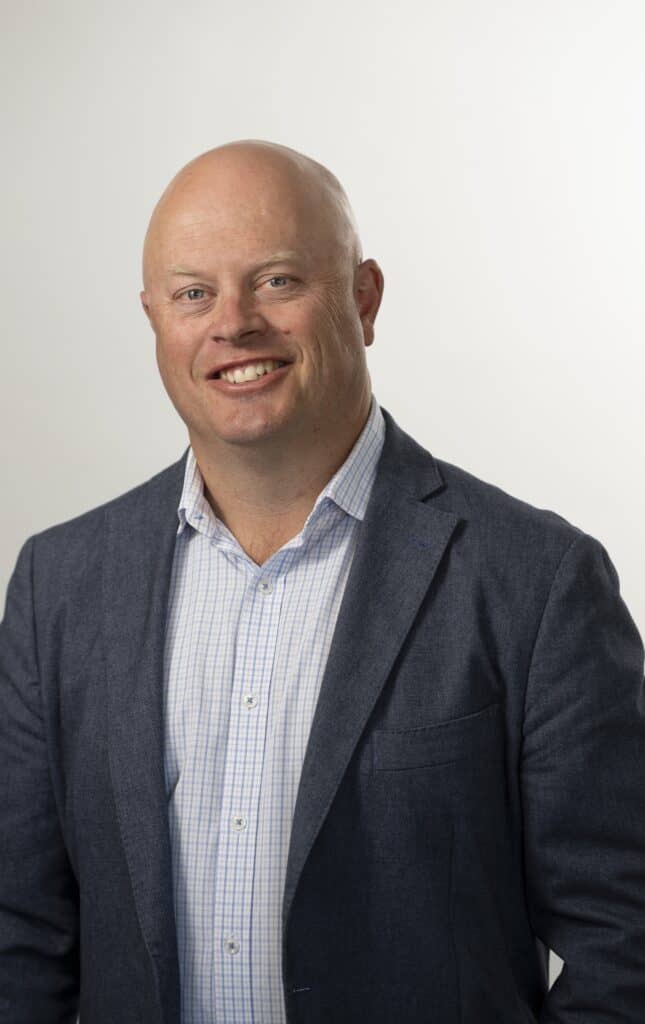
Glenn is a highly motivated and widely respected hydrogeologist with over 30 years’ professional experience in groundwater assessment and integrated water resources management.
He is a leading expert in arid zone hydrology, hydrochemistry, groundwater dating and recharge estimation, surface water-groundwater interaction, groundwater dependent ecosystems, and the numerical simulation of groundwater flow and solute transport through sedimentary and fractured rock aquifers and low-permeability aquitards.
Glenn has published widely in the international scientific literature and is a regular trusted advisor and independent peer reviewer for State, Territory and Commonwealth governments.
Before starting Innovative Groundwater Solutions (IGS) as the founding Director in June 2013, Glenn was the Groundwater Research Stream Leader at CSIRO and a Chief Investigator for the National Centre for Groundwater Research & Training at Flinders University.
Following the acquisition of IGS by Water Technology in December 2024, Glenn is currently National Lead – Groundwater with a team of 15 hydrogeologists, scientists and field technicians across Australia.
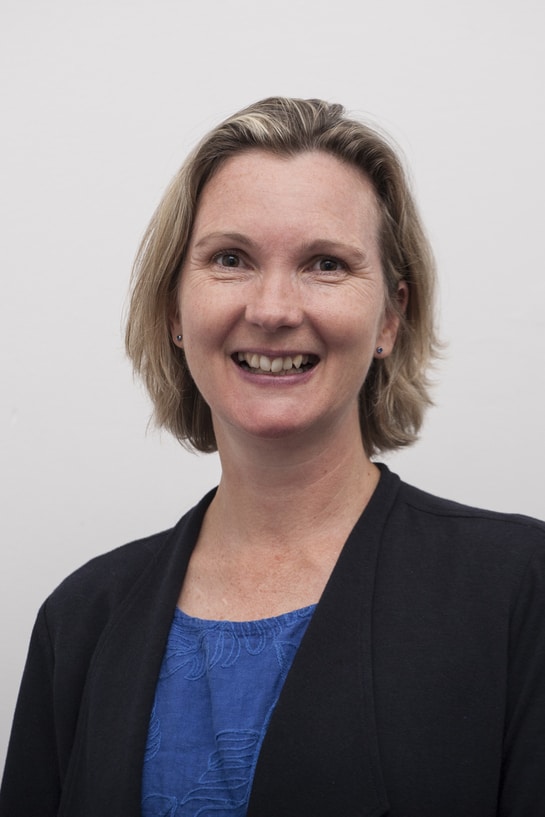
Johanna has extensive experience in ecological assessment, waterway management, environmental monitoring, reporting and policy. She has completed field-based vegetation and habitat condition assessments in different environments, ranging from riparian areas surrounding rivers and wetlands, through to coastal, inland, and alpine zones. Management planning, monitoring design and implementation have also been key aspects of her career. She has designed and coordinated numerous environmental and waterway action plans, as well as monitoring programs which identify condition, trajectory and adaptive management approaches for future works. She has an excellent understanding of waterway processes, developed through her work with a range of waterway engineers, geomorphologists, aquatic scientists and agency staff.
Johanna has also managed large, statewide, multi-disciplinary environmental projects which aim to change and improve the management and monitoring of environmental assets. Examples of this work are the development of a biophysical assessment method for Tasmania’s rivers and streams (the Tasmanian River Condition Index) for the three Tasmanian NRMs; and the Securing Priority Riparian Areas project for the Victorian Department of Environment, Land, Water and Planning (DELWP). The coordination of project teams and stakeholder engagement was a significant component of this work.
Johanna also has a strong understanding of policy development, strategic planning, and legislative frameworks across a range of jurisdictions in Australia. Johanna has an excellent working knowledge of Victoria’s native vegetation and protection legislation and is registered with DELWP as a competent Vegetation Quality Assessment (VQA) assessor.
Johanna is passionate about her work, the natural resource management industry, and its community. She was Secretary of the Australian River Basin Management Society (RBMS) from 2011-2016 and has helped organise several Australian Stream Management Conferences and industry seminars in Victoria.

Warwick is a Director of Water Technology and has over 25 years of experience in surface water management.
He has led a wide variety of projects covering areas such as flood risk management, water quality, sediment transport, coastal hazard, WSUD and environmental flows. Warwick has an Honours Degree in Civil Engineering from the University of Melbourne and a Masters of Engineering Science Degree from Monash University, investigating the detailed hydraulics of stormwater treatment wetlands. Warwick has experience throughout Australia in both rural and urban contexts.
Since 2011 he has provided specialist input to the Flood Intelligence Unit of SES during both catchment and coastal flood emergencies. He is actively involved in Engineers Australia and is a past chair of the Victorian Water Engineering Branch Committee. Warwick has also contributed to the revision of Australian Rainfall and Runoff, with a particular focus on the application of flood models in urban areas.
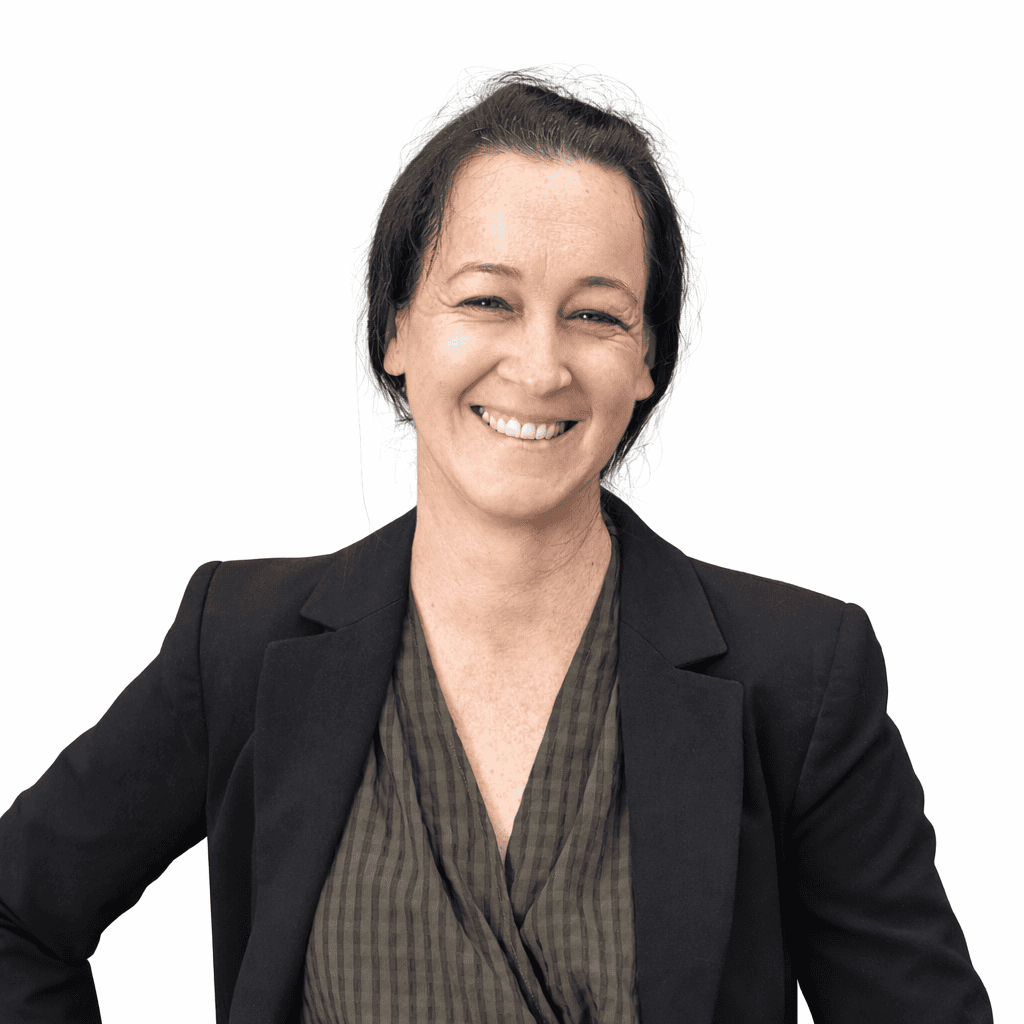
Amie is an Environmental Scientist specialising in aquatic sciences and has extensive experience across both the public and private sectors. She has undertaken many environmental studies and is well versed in the review and application of legislative and government guidance requirements for environmental management. Amie has worked on a diverse range of projects spanning water and sediment chemistry, aquatic ecology, and impact/risk assessment in fresh waters, marine and groundwaters.
Since 2017, Amie has been working in the Northern Territory, initially with the Commonwealth government and then with Innovative Groundwater Solutions. Since Innovative Groundwater Solutions joined Water Technology in 2024, Amie has become the Territory Manager at our Darwin office.
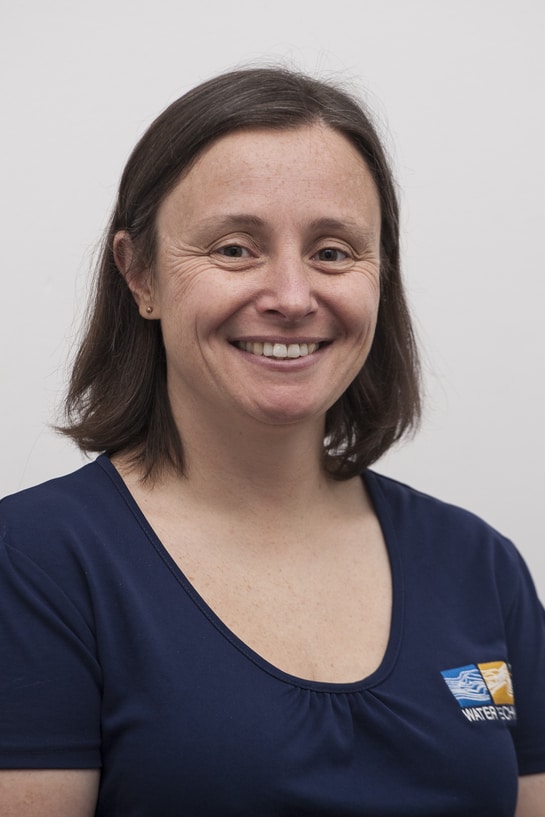
Celine has extensive experience in hydraulic modelling of water networks and floods, Water Sensitive Urban Design and Integrated Water Cycle Management.
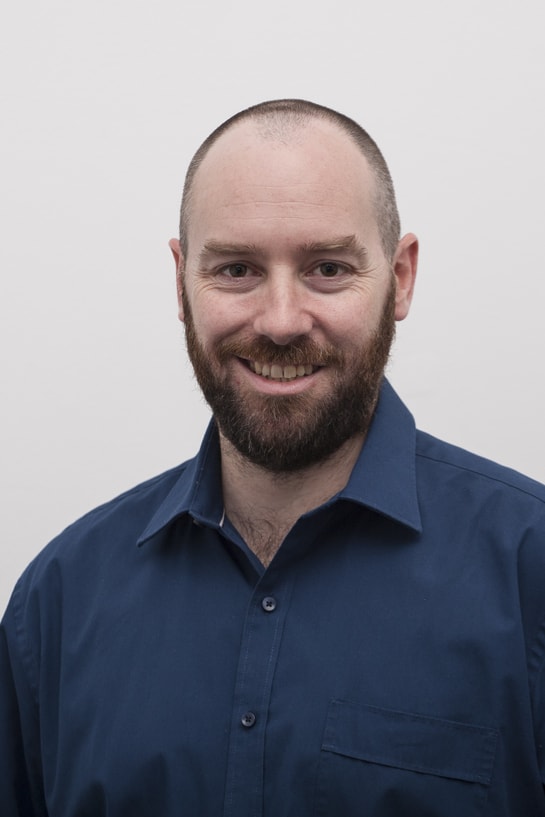
Chris Beadle has significant experience in coastal and estuarine modelling, coastal and maritime infrastructure design, and the development of coastal management plans across a range of physical environments around Australia and internationally.
Chris’ particular passion lies in coastal zone management, and he has managed and delivered numerous coastal zone management studies and plans across New South Wales. His experience in this area is broad and includes open coast settings and estuarine environments. His success in delivering these projects is underpinned by a high level of expertise in coastal and estuarine processes, with a strong understanding of coastal geomorphology and hydrodynamics. However, he also has a strong appreciation of the social, cultural and economic values of the coastal zone, and believes this knowledge is key to sustainable coastal zone management and climate change adaptation.
Chris combines his technical skills with significant experience in community and stakeholder engagement. With IAP2 accreditation as an engagement practitioner, he has successfully delivered a range of engagement programs for coastal management projects. His engagement prowess is evident in his project outcomes, and he has experience engaging with a vast range of community groups, public authorities and First Nations Peoples.
Chris also has skills in coastal infrastructure design and has worked on numerous open coasts, estuarine and port infrastructure design projects. This includes comprising seawalls, breakwaters, groynes, and wave attenuators.

Nikki has over 25 years’ experience in the groundwater industry, across the academic, government and private sectors. Her main area of interest is the application of environmental tracer and numerical modelling techniques to address questions relating to resource sustainability and management. More recently, Nikki’s focus has been on delivering science that addresses specific questions and needs of stakeholders. She has led numerous major resource assessment investigations in the Murray Basin, Eyre Peninsula and the South East of South Australia, including application of niche geochemistry and isotope techniques, and worked closely at the interface between science and water management.
Nikki was a Principal Hydrogeologist and Groundwater Modeller at Innovative Groundwater Solutions (IGS) for nine years and worked on a range of projects for irrigation, mining and government clients, with a strong emphasis on the development of robust conceptual models, fit-for-purpose, defensible numerical models and strategic approaches for the management of groundwater resources. Nikki regularly works in a peer review role to ensure that clients achieve the best scientifically-based outcomes.
Nikki joined Water Technology in December 2024 and was appointed as a Director of Water Technology in February 2025. Nikki is also the State Manager for South Australia.

Tony is a Director of Water Technology and the State Manager for Queensland. He has considerable Australian and International water engineering expertise in the areas of numerical flood and water quality modelling, field data collection and assessment, water sensitive urban design, water quality management, catchment management and sewerage and water supply planning. His expertise has been gained through working with the Queensland Department of Local Government/Water Quality Council for a number of years, advanced University studies, a one year work period at HR Wallingford in the UK and twenty seven years’ experience with BMT WBM (working extensively across Australia, the Pacific, South East Asia, the Middle East and the UK). Tony has a First Class Honours Degree in Civil Engineering, a Master of Engineering Science and a Post Graduate Certificate in Executive Leadership. Tony is also a Fellow of Engineers Australia and a Registered Professional Engineer in Queensland (RPEQ).
Alex has expertise in hydraulic and hydrological modelling, with extensive experience in TUFLOW, RORB and various GIS programs. Alex has engineered and project managed a range of projects including flood mapping, flood impact assessment, urban renewal and conceptual flood mitigation design.

Aaron specialises in hydrologic modelling, hydraulic modelling, stormwater investigations and stormwater asset designs. Aaron uses his expertise to undertake flood assessments and functional designs of wetlands and waterways for large scale ongoing and future development precincts. Aaron is also experienced in ANCOLD Consequence assessment projects, and the concept and functional design of flood mitigation, stormwater, and Water Sensitive Urban Design assets.

Alister has nearly 30 years professional experience in the water engineering industry throughout Australia and has worked extensively within the water resources, flooding and drainage sectors for Government and private sector clients across Australia. Alister has held technical and management positions in both large and small consultancies and has been actively involved in all levels of engineering consultancy. He has worked extensively throughout Queensland, as well as throughout other regions across Australia including Victoria, NSW and the Northern Territory. Alister has served as a water resources advisor in China for an international AusAID project and has also provided specialist water resources and flood consultancy services for several projects in Brunei.
Alister’s expertise lies in water resources covering a wide range of sub-specialties comprising flood and drainage assessments, hydraulic and hydrologic investigations, stormwater quantity and quality management, infrastructure charges schedules, development assessment and planning and project management. Other key expertise includes dam assessment, flood mitigation schemes, stormwater drainage, waterway rehabilitation, mining as well as rail, road and linear infrastructure. Alister brings a wide range of practical experience which leads to effective and practical problem solving to a wide range of water resources projects. He is also well versed in general civil engineering design, delivery and construction relating to water resource projects.
Alister is active within the expert review and legal services including providing expert witness evidence and related assistance across multiple matters in the Queensland Planning and Environment Court, Land Court and Supreme Court jurisdictions within Queensland.

Andrew has extensive experience in floodplain management, flood mitigation designs, waterway assessment and management across Australia. He has worked on projects ranging from small-scale hydraulic models to large catchment analyses for future developments. His specific expertise lies in numerical flood modelling and flood impact assessments. In addition to detailed flood modelling, Andrew also enjoys being significantly involved in community consultation and flood planning education. He has been able to apply all of his skills when undertaking forensic flood assessments for site-specific property inspections following significant flood events across the country.

Aram has extensive experience managing and working on projects in the water industry, including hydrology and hydraulic modelling, surface water management, drainage design, stormwater harvesting, stormwater strategies and Water Sensitive Urban Design (WSUD) for both the public and private sectors. His knowledge in a wide range of areas enables him to apply his skills across many aspects of water management. Aram’s experience in non-technical aspects includes project management, community consultation and workshops, report and proposal writing, and communication and collaboration with multi-disciplinary teams.

Bertrand is an experienced water resource professional, who has worked in both the public and private sectors in Australia and New Zealand. He utilises both his ecological and water resource engineering background to undertake hydraulic and environmental studies, often leading multi-disciplinary projects. Bertrand is well regarded for his expertise and attention to detail which is regularly utilised when he undertakes expert witness work.

Brian has more than 25 years’ experience spanning integrated water resources management, digital water services, and research‑to‑commercialisation. Brian leads Water Technology’s national digital solutions capability, including the development, deployment and commercialisation of SaaS platforms such as WISER Water. He has also led large, collaborative research programs, including the EU‑funded WaterSENSE and REINFORM projects involving multiple international research and industry partners, as well as industry‑funded proof‑of‑concept projects. Brian’s work focuses on translating advanced Earth‑observation, modelling and data‑science research into operational decision‑support services through co‑design, market validation, stakeholder engagement and adoption.

Carl is a water engineer specialising in flood studies, stormwater management, and water-sensitive urban design. He has delivered projects across multiple Australian states and the Pacific, and has significant experience in peer reviewing hydrological and hydraulic models, including for the ARTC Inland Rail project. He is currently leading the delivery of several Council flood studies in Queensland and provides expert advice on property inundation for insurance assessments nationally.

Chris is a spatial professional with a wide range of skills in GIS, spatial data management, spatial analysis, and web mapping. He has extensive knowledge of the ESRI ArcGIS suite of products and is also a proficient user of many other leading GIS and spatial software products. Chris combines his strong technical knowledge with a detailed understanding of geospatial techniques and processes to manage and deliver GIS projects, manipulate large volumes of spatial data and develop tools and models to undertake complicated spatial analysis tasks. Chris has also successfully managed and delivered several spatial analysis and spatial data management projects for local councils, catchment management authorities, state government departments and private companies. He oversees the management and use of GIS technologies across the company, maintains our mapping standards, and provides support and training for 30+ GIS users.

Daniel is a highly experienced water quality specialist and senior consultant with over 25 years of expertise supporting clients across government, water and sanitation authorities, energy and hydropower, aquaculture, and mining sectors. He provides technical leadership and strategic direction, helping clients navigate complex environmental challenges and deliver practical, defensible outcomes.
Daniel is recognised for combining deep technical expertise with a strong understanding of regulatory frameworks, stakeholder expectations, and project risk. His experience spans water quality, hydrodynamic and numerical modelling, limnology, coastal engineering, hydrology, and water and wastewater systems. He has particular strength in wastewater management and disposal assessments, supporting clients to select, justify, and implement effective solutions that balance environmental, regulatory, and operational considerations.
With a strong foundation in research and development, Daniel brings a rigorous, science-based approach to problem solving and works effectively at the interface between industry, regulators, and research institutions. He is known for his ability to translate complex technical analysis into clear, actionable advice that supports confident decision-making.
As a senior leader and trusted advisor, Daniel has delivered complex projects across:
Daniel is valued by clients for his leadership, technical credibility, and ability to deliver pragmatic solutions in complex and highly regulated environments.

Daniel has more than 24 years of experience in groundwater resource assessment, impact evaluation, and water supply strategy development across Australia. He specialises in identifying, securing, and sustainably managing groundwater resources while assessing and mitigating potential impacts to groundwater-dependent ecosystems and other environmental values. Daniel also has extensive experience undertaking groundwater impact assessments, including evaluation of drawdown, aquifer connectivity, spring dependencies, and risks to environmentally sensitive receptors. He is highly skilled in navigating Commonwealth, state, and territory regulatory frameworks, including groundwater licensing, approvals, and environmental compliance pathways. His technical expertise includes applying geological, geophysical, and hydrogeological methods to characterise aquifer systems, predict impacts, and identify viable water sources. He is experienced in designing and implementing monitoring programs, developing conceptual models, and supporting impact assessments and approval documentation.
From project inception through to bore integrity assessment, remote drilling campaigns, aquifer pumping tests, and groundwater sampling programs, Daniel brings the practical knowledge and regulatory understanding required to assess potential impacts, support approvals, and deliver robust, defensible groundwater outcomes for complex projects.

Daryl is a physical geographer and a fluvial geomorphologist who has extensive experience in waterway assessment and management, with a particular focus on palaeoflood hydrology, fluvial geomorphic processes, and sedimentology. He also has expertise in water quality assessments, estuary and coastal processes and management, and natural hazard resilience works.
Daryl specialises in palaeoflood reconstruction and has published articles in prominent scientific journals (including Quaternary Science Reviews, Water Resources Research, Geomorphology and Stochastic Environmental Research and Risk Assessment) and some of his palaeoflood works are referenced in Australian Rainfall and Runoff, 2019. Daryl continues to collaborate with other academics in advancing research in the field of geomorphology and palaeoflood hydrology.

Greg has extensive experience in hydrology, hydraulics, environmental management and planning law in Queensland. His professional experience in the water resources industry includes stormwater management planning and design, flood impact assessments for small to large scale residential/commercial development projects and lawful point of discharge matters. Greg has a sound understanding of flooding, stormwater mitigation, water quality modelling and associated development requirements across many Local Governments in Queensland. His environmental management experience consists predominantly of stormwater management, water balance modelling and erosion and sediment control in the construction, mining and waste management sectors. Greg also participates in mediation associated with Planning and Environment Court matters.

James has been with Water Technology for over 8 years and is a highly valued member of the flooding team. He specialises in flooding and drainage studies, dam safety and risk assessments, hydrologic and hydraulic modelling, stormwater quantity and quality management, flood impact assessment, floodplain management and flood mitigation strategies. James has developed advanced proficiency in the use of TUFLOW and a variety of other modelling software packages. From major flood studies to small stormwater management plans, James can provide specialised, best practice and cost-effective solutions for clients. James ensures that Water Technology always has the best hardware and modelling capabilities so that we can complete any kind of complex modelling tasks.

Jamie has over 30 years’ experience in environmental monitoring design, application, and reporting. In particular, Jamie has specialist expertise in ecological surveys, management plan development, monitoring programs, field auditing, mapping, revegetation design and reporting, particularly on projects associated with waterways (instream, riparian, wetland and floodplain). He has used these skills in a diverse range of environments including rivers, wetlands, coasts, alpine areas, deserts, estuaries and beaches. Jamie’s work considers surface water, groundwater and marine environments, and he has experience within all Australian states and territories. Jamie is also a respected facilitator and educator, having designed and led many workshops and public meetings associated with strategic waterway projects and has supported the development and delivery of training programs for the industry.

Lachlan has extensive experience in surface water and drainage investigations, alongside all aspects of flood studies, including data collation and verification, complex catchment hydrology, hydraulic modelling, flood mitigation design, community consultation, and the development of flood intelligence outputs. He possesses detailed expertise in 1D and 2D flood modelling, ranging from high-resolution urban applications to large-scale river system modelling, using platforms such as TUFLOW and MIKE Flexible Mesh.
In addition, Lachlan has delivered water quality modelling projects focused on the conceptual design of Water Sensitive Urban Design (WSUD) assets, utilising MUSIC software to support urban development outcomes. Through his project work, he has developed a strong technical understanding of flood modelling, flood mitigation, Integrated Water Management, and emergency management. He also brings valuable experience in stakeholder engagement and providing support at Incident Control Centres during flood incidents.

Leigh Smith has more than 20 years’ experience across Victoria’s waterway management sector, spanning rivers, wetlands, estuaries, urban stormwater, and natural asset management. He combines deep technical expertise with strong leadership, program design, and stakeholder engagement skills, developed through senior roles in both consulting and public sector organisations. Leigh has led and contributed to strategy and planning, risk-based investment prioritisation, and end-to-end project delivery, and has been instrumental in embedding asset management frameworks into waterway management practices, including a model now underpinning Melbourne Water’s investment planning. At Water Technology, he delivers innovative solutions such as risk-based rehabilitation planning, remote sensing assessments of vegetation, and spatial tools for environmental and community resilience, while also partnering with Traditional Owners on cultural flows projects. Known for providing trusted, actionable advice, Leigh works collaboratively with clients to translate complex challenges into practical outcomes, supported by advanced GIS and remote sensing capabilities strengthened through postgraduate study in Spatial Science.

With over 18 years’ experience, Meegan is a highly accomplished Project Manager and Principal Hydrogeologist specialising in groundwater impact assessments, water supply solutions and regulatory licencing and reporting. She has a proven track record in leading complex water programs and delivering high-quality hydrogeological assessments and technical documentation to support State and Federal government approvals.
Meegan is also highly experienced in managing and coordinating multi-disciplinary projects to deliver robust conceptual models, strategic water management plans and risk-informed outcomes. Her experience includes the application of numerical modelling and uncertainty analysis to support sustainable water resource development and protection of environmental and cultural values.
Meegan’s technical capability spans the analysis of large and diverse datasets, hydrogeological conceptualisations, groundwater resource investigations, application of managed aquifer recharge (MAR), sustainable yield assessments, and engagement with stakeholders and regulators.
Meegan is passionate about mentoring peers, fostering professional growth, and driving excellence across multidisciplinary teams. Her leadership is underpinned by a commitment to innovation, integrity and achieving better environmental and operational outcomes.

Michael has extensive experience in ecological consulting, predominantly in the water and natural resource management industries. He has worked on many waterway and riparian projects including bank restoration, monitoring and mapping of vegetation and weeds, and development of prioritisation tools and management plans. Michael’s specialist areas of expertise include flora and fauna assessments, targeted species survey’s, environmental monitoring for EPBC listed communities, biodiversity assessments and river restoration.

Neil is a qualified earth scientist and educator with extensive experience in environmental, coastal and natural hazard management. Neil has specialised skills and experience in a broad range of areas including the development and assessment of early warning systems, building community resilience, emergency management planning, disaster and environmental education, coastal geomorphology, social impact assessments and linear reserve ecological assessments. He is an experienced workshop facilitator and has prepared and implemented numerous community and stakeholder engagement plans including with First Nations Groups.

Rhiannon has expertise in providing flood risk management advice and preparing flood emergency response plans (FERPs) for a range of residential, commercial, mixed use, industrial, seniors living, school and childcare developments. She has worked with local governments, government agencies and developers to prepare flood evacuation capability assessments, FERPs and flood risk assessments for developments through NSW, Queensland and Victoria. She is experienced in identifying flood emergency management and flood risk to life considerations and providing advice on measures to address the flood risks.

Richard is an established urban planner specialising in natural hazards planning, in particular regarding flooding and coastal risks. He has delivered multi-disciplinary projects within local government and the public sector aimed at reducing flood and coastal hazard risk, implementing sustainable development and land use outcomes. Richard has also worked on strategic planning projects including developing natural hazard risk assessments and overlay drafting for multiple planning schemes, infrastructure network planning, state interest compliance and organisation wide projects in coastal hazard adaptation, flood risk and resilience, due diligence, community engagement and emergency flood warning flood classifications. Richard also delivers statutory planning and development assessment services, and policy advice.

Rohan is an effective project manager and expert hydraulic 2D and 1D numerical modeller. His areas of expertise include catchment modelling, urban flood risk and peer reviews. Rohan has been involved in a variety of projects ranging from the civil design of roads and wetlands, renewable energy projects, tertiary containment, mine stockpile and dam breach assessments, and flood mitigation development, both in Australia and Internationally.

Terence has expertise in hydraulic modelling, hydrology, data analysis and scour assessments. He is experienced in developing 1D and 2D hydraulic models in various packages (predominately TUFLOW, MIKE and HEC-RAS) and undertaking hydrologic assessments to inform these in line with industry standards. Terence also has extensive experience conducting seepage analyses to determine loss-rates and water savings. Terence uses GIS extensively to build and interrogate models, and to produce high quality, useful outputs including animations and 3D visualisations. He enjoys using Excel, VBA and Python to manipulate and summarise complex records, especially where they can be used spatially.

Travis is a hydraulic modelling expert with specialised skills in the fields of stormwater and groundwater management including experience across a range of flood risk and drainage related modelling packages. He has extensive experience in delivering flood and stormwater related projects across a number of different areas including hydraulics, hydrology, hydrogeology, water quality, site remediation, waste management, water and wastewater treatment. Travis also has experience and an interest in closing the gap between water quality assessments and hydraulic modelling through hydrodynamic modelling using advection dispersion, sediment transport and water quality related packages.