Restoring the Banks of Waterways in the Shoalhaven Region
Water Technology assessed the extent of bank erosion and determined the feasibility of bank treatment options...
Located 44 kilometres southeast of Brisbane’s CBD and 59 kilometres north of the Gold Coast, Stockland’s “Shoreline” development is a master-planned community in Redland Bay set to grow to around 3,500 homes and an estimated 10,500 residents at completion.
A Wastewater Treatment Plant has been constructed to service the current and future residents and businesses of the “Shoreline” development. The treated wastewater will be utilised as much as possible for irrigation and construction requirements. Receiving environmental constraints meant that a direct release of surplus treated wastewater from the Southern Redland Bay Wastewater Treatment Plant to the Logan River would not be possible. Therefore, development approval for “Shoreline” required an innovative approach to be taken via application of the Queensland Nutrient Offset Policy to build a separate ‘nature-based’ mangrove and saltmarsh system to enable receiving water quality to be protected.
This idea was based on existing knowledge and strong scientific understanding of the processes involved and the subsequent broad range of benefits provided by mangrove wetlands – including their ability to improve water quality, provide bank protection, be a carbon sink and provide valuable habitat. A 25-ha piece of land located on an outer bend of the Logan River, about 7.5 km upstream from the mouth of the River, was identified as a suitable option for the mangrove wetland.
Development of the innovative mangrove wetland, from the vision to the conceptual design through to monitoring post construction
Shoreline Development, Redland Bay Queensland
Stockland
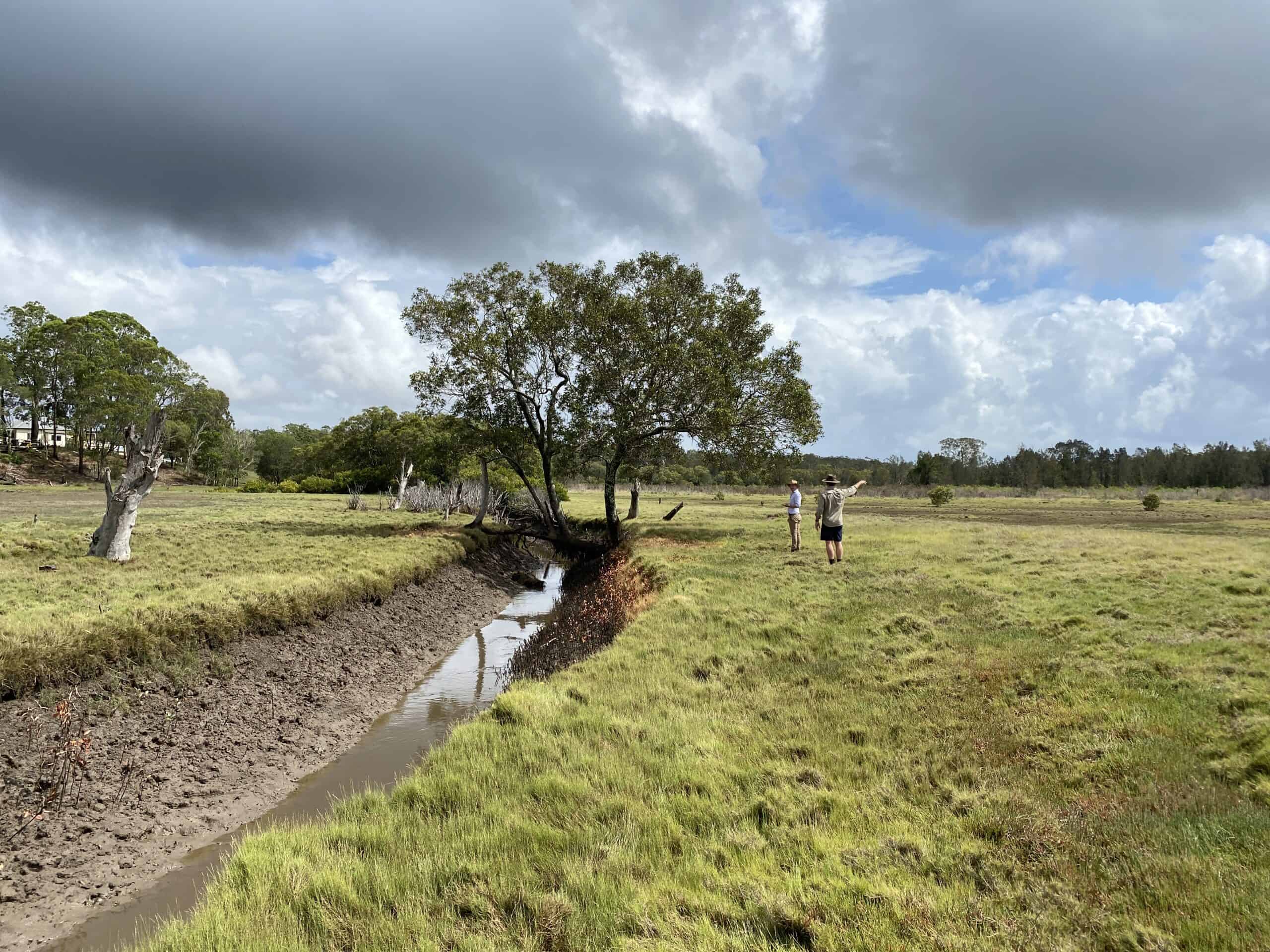
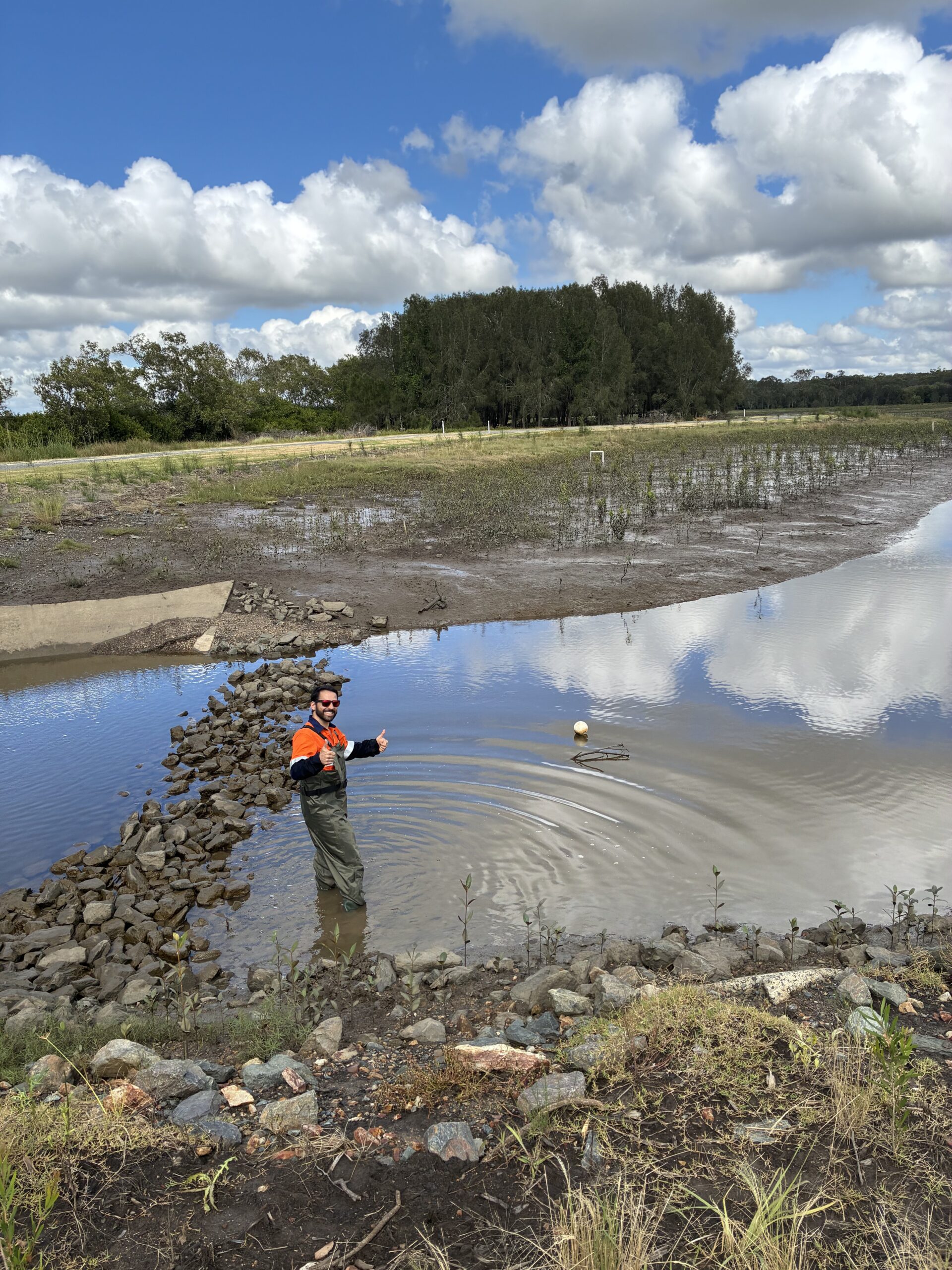
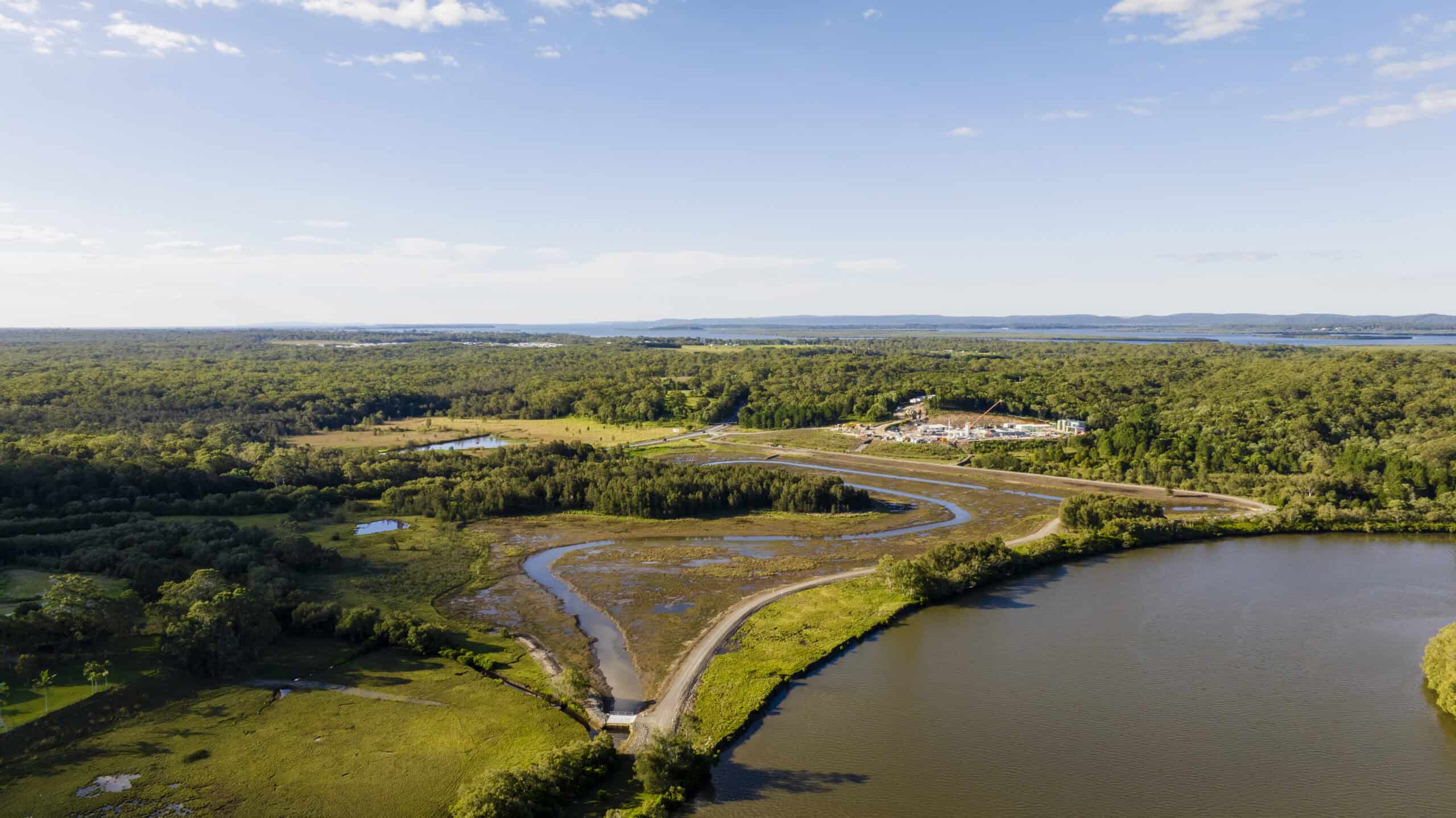
Technical assessments were conducted to support and demonstrate the concept including nutrient uptake studies, water quality monitoring, coastal modelling, hydrodynamic modelling, bank assessments, ecological reviews, pathogen testing and flooding assessments. The scientific assessments indicated a net improvement or non-worsening of water quality of the Logan River after the project.
Based on the technical assessments and existing knowledge, approval was granted by regulatory authorities to develop the mangrove wetland. Subsequently, the mangrove wetland was designed with this work overseen by Water Technology and informed by state‑of‑the‑art hydraulic and water quality modelling.
In addition to assimilating nutrients from tidal flows in the Logan River, hence providing the ‘offset’ to enable the treatment plant release to occur, an important co-benefit is the addition of mangrove vegetation to the net wetland area in the estuarine reaches of the Logan-Albert Drainage Basin, whilst providing a barrier for erosion and storm tide events. Sediment influx into the area may also assist in very gradual soil accretion which would assist in mangrove growth, mitigation of impacts from sea level rise and climate change.
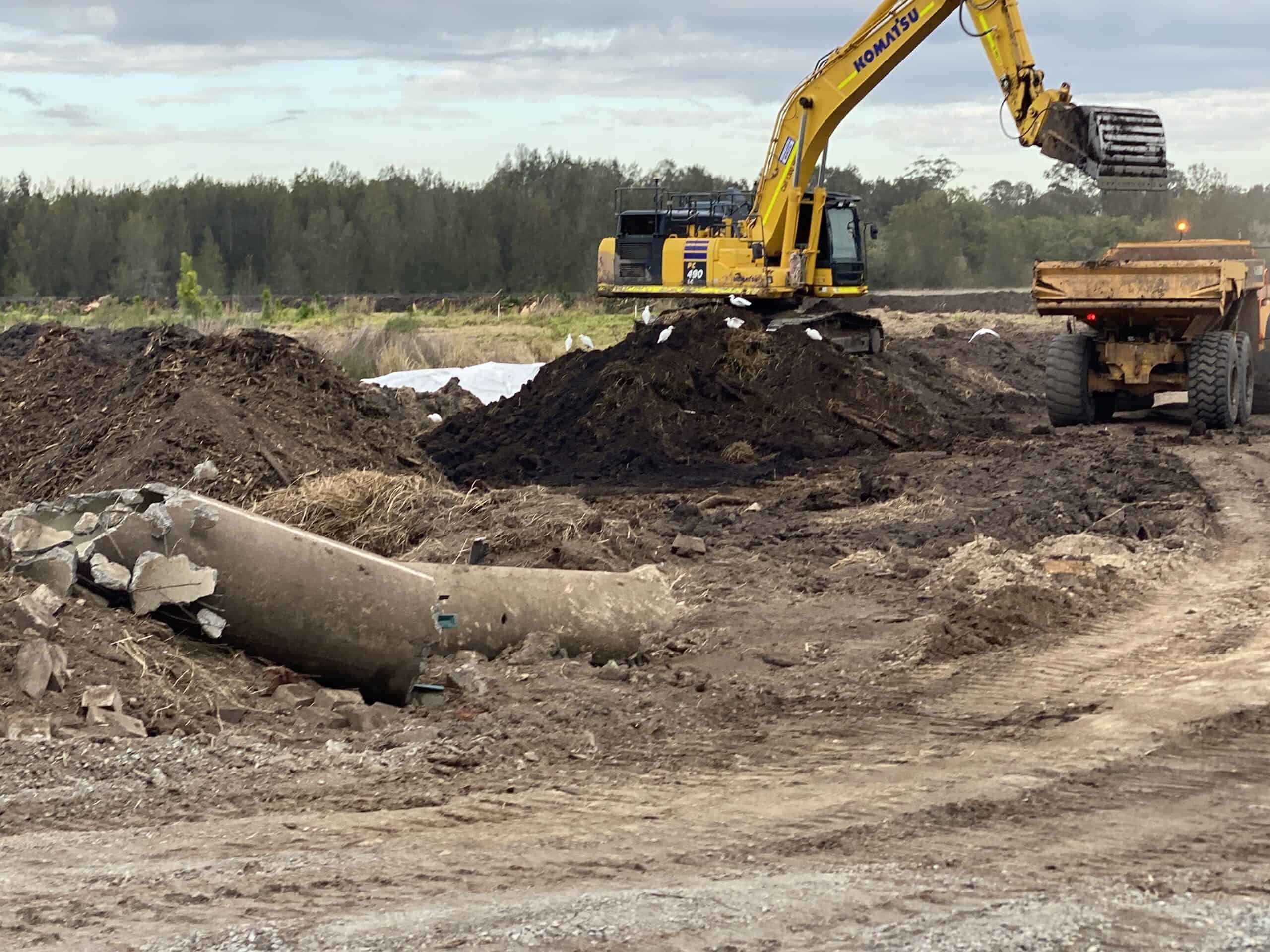
Mangrove plants were rescued from nearby locations including stormwater drains and construction sites and then grown in a nursery. Significant earthworks were undertaken in preparing the land before more than 35,000 individual mangrove seedlings were planted in the wetland area by ecological specialists over a period of 18 months. Cultural monitoring was undertaken throughout construction by the Traditional Owners, the Danggan Balun (Five Rivers people).
Water Technology has been involved in the development of the innovative mangrove wetland, from the vision to the conceptual design through to the current stage of monitoring post construction. A major milestone was achieved in early 2026 when treated wastewater releases commenced into the wetland system.
The early vision has now become a reality. Degraded land on the banks of the Logan River in South East Queensland has been transformed into a vibrant intertidal mangrove wetland that is already delivering measurable environmental, ecological and climate benefits, which will only increase in magnitude as the mangroves grow and mature over coming years.
The project is supported by science, with the Shoreline project forming part of a four‑year Australian Research Council (ARC) Linkage Grant led by Griffith University with input from Stockland, Water Technology, Redland City Council, and the Queensland Government. The research is assessing the wetland’s environmental performance compared to traditional ‘grey’ infrastructure and has been peer-reviewed by specialists from CSIRO, the University of Queensland, and other leading experts. Researchers will keep tracking how this wetland protects the Logan River and supports local biodiversity.
The Shoreline Mangrove Wetland Project was awarded the 2025 Sustainability Award at the UDIA Queensland Awards for Excellence and a Commendation at the 2026 National UDIA Awards, recognising an innovative, nature-based approach to water quality, climate resilience and environmental restoration. A project that truly works with nature.
This recognition reflects the hard work and collaborative efforts of the project team (Stockland, KN Group, Hall Contracting, Evolve, Griffith University, in collaboration with Redland City Council and the Queensland Government) over many years, from project conception to completion.
Water Technology assessed the extent of bank erosion and determined the feasibility of bank treatment options...
Water Technology supported the development of the innovative mangrove wetland, from the vision to the conceptual design through to monitoring post construction...
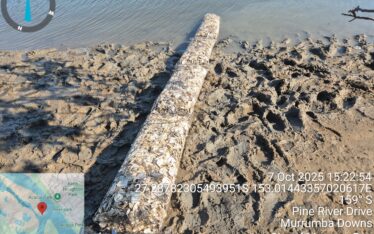
Water Technology provided support with the design and certification of oyster reef installations, in addition to monitoring and recording changes in the upstream and downstream locations of the oyster reefs...