Restoring the Banks of Waterways in the Shoalhaven Region
Water Technology assessed the extent of bank erosion and determined the feasibility of bank treatment options...
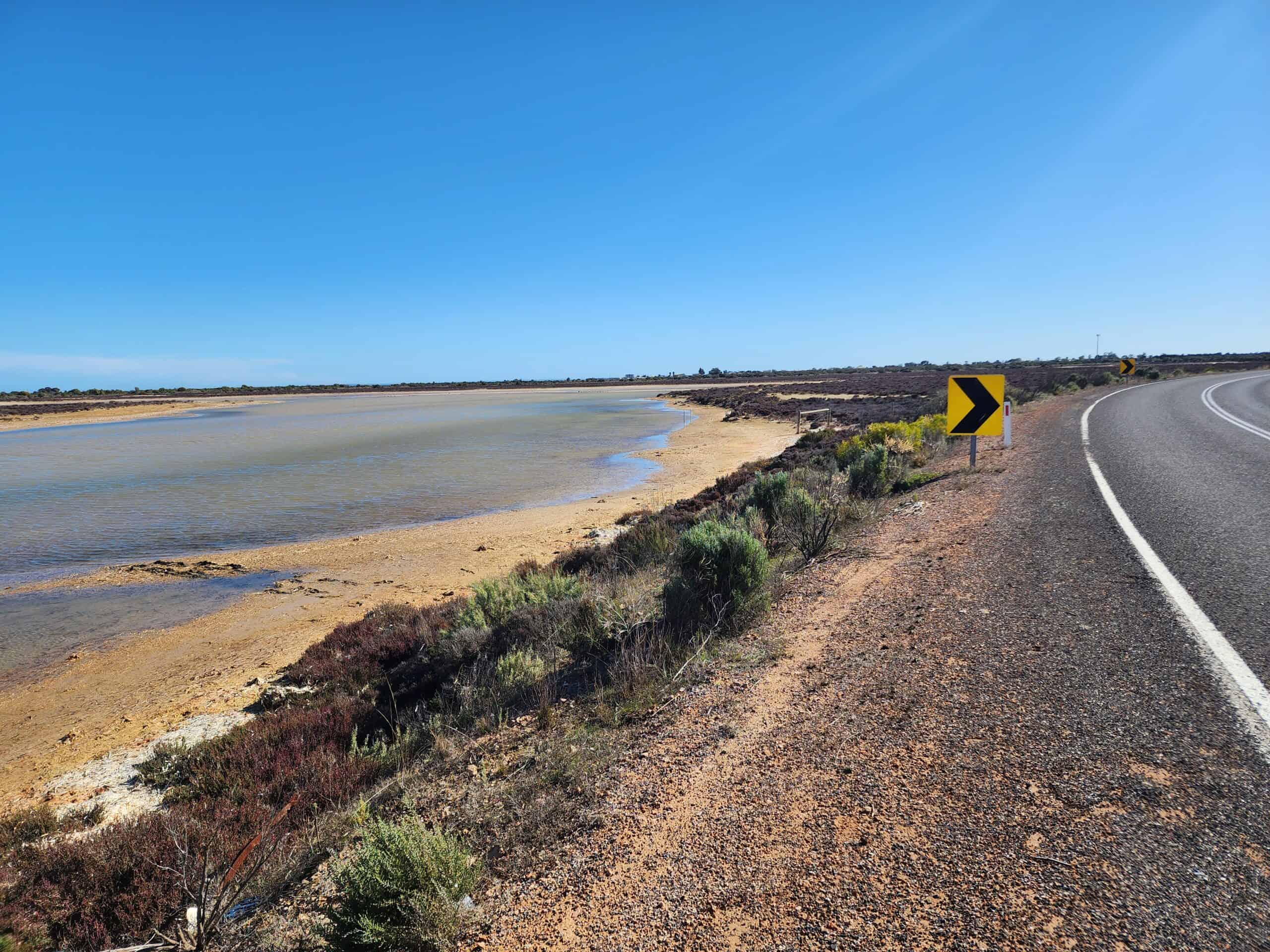
A 250 Ha area of coastal wetlands located to the north of Adelaide was identified as being stranded from tidal inflows which was affecting the health of the ecosystem. These coastal wetlands are an important habitat for a diversity of wildlife and plants, including for migratory birds, nursery and feeding areas for fish, as well as future growth of native saltmarsh and mangrove stands.
Water Technology assisted the project by undertaking numerical tidal hydraulic modelling simulations to assess the flow and inundation of the area (i) in existing conditions and (ii) as a result of various adaptation options. Based on the modelling outputs, a technical feasibility assessment was conducted, which showed that a road, constructed in the early 1950s, was found to be acting as an artificial barrier to tidal flows. The coastal wetland was only being inundated when storm conditions coincided with high astronomical tides to overtop the road.
The aim was therefore to look at ways to reintroduce the natural tidal waters and tidal flushing to expand the area where saltmarsh can grow, restore the mangrove and saltmarsh habitats and protect threatened species.
Support the assessment of the potential to restore the system and demonstrate the benefits for carbon sequestration (or Blue Carbon)
Webb Beach South Australia
The Nature Conservancy Australia Trust
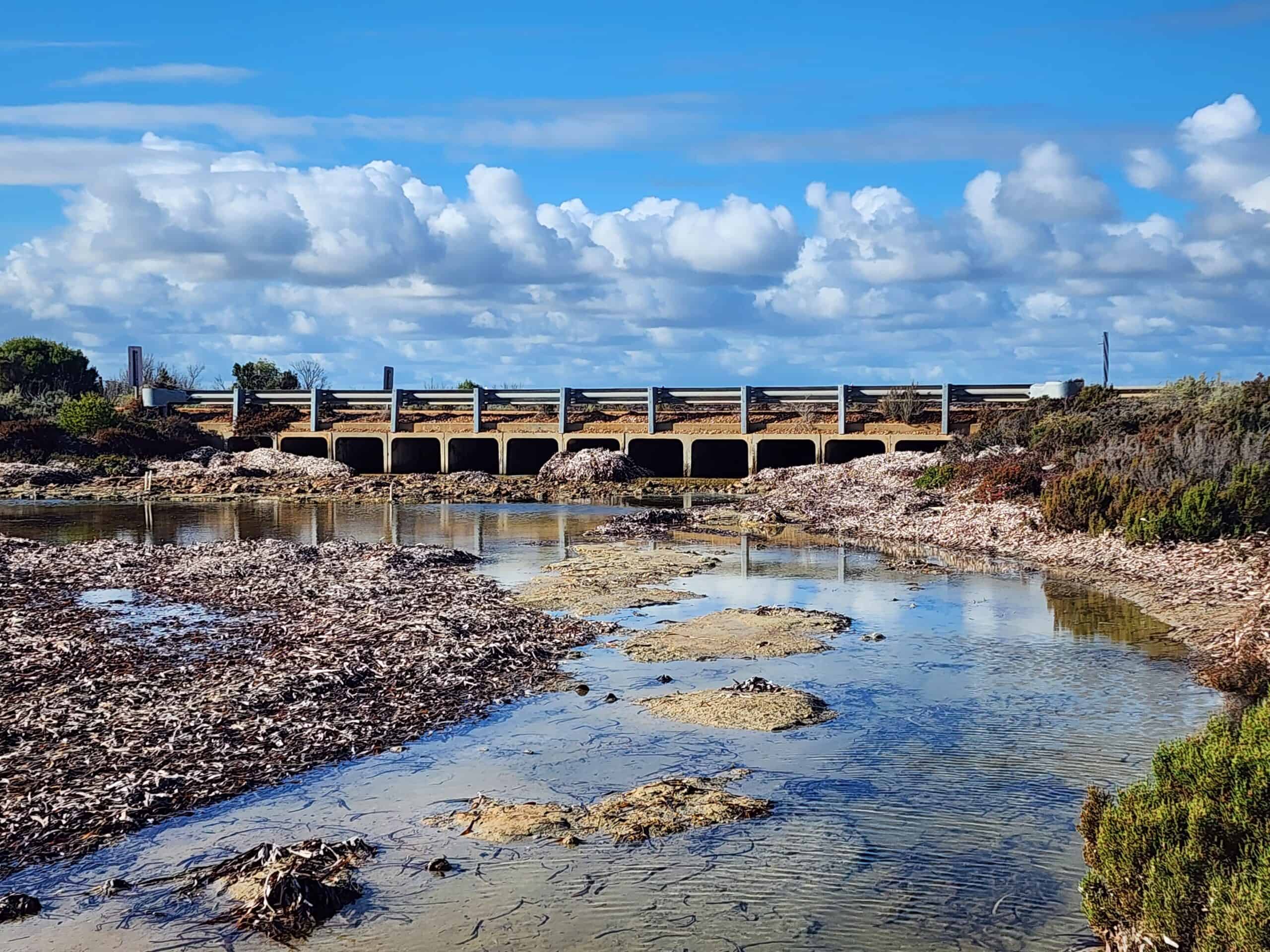
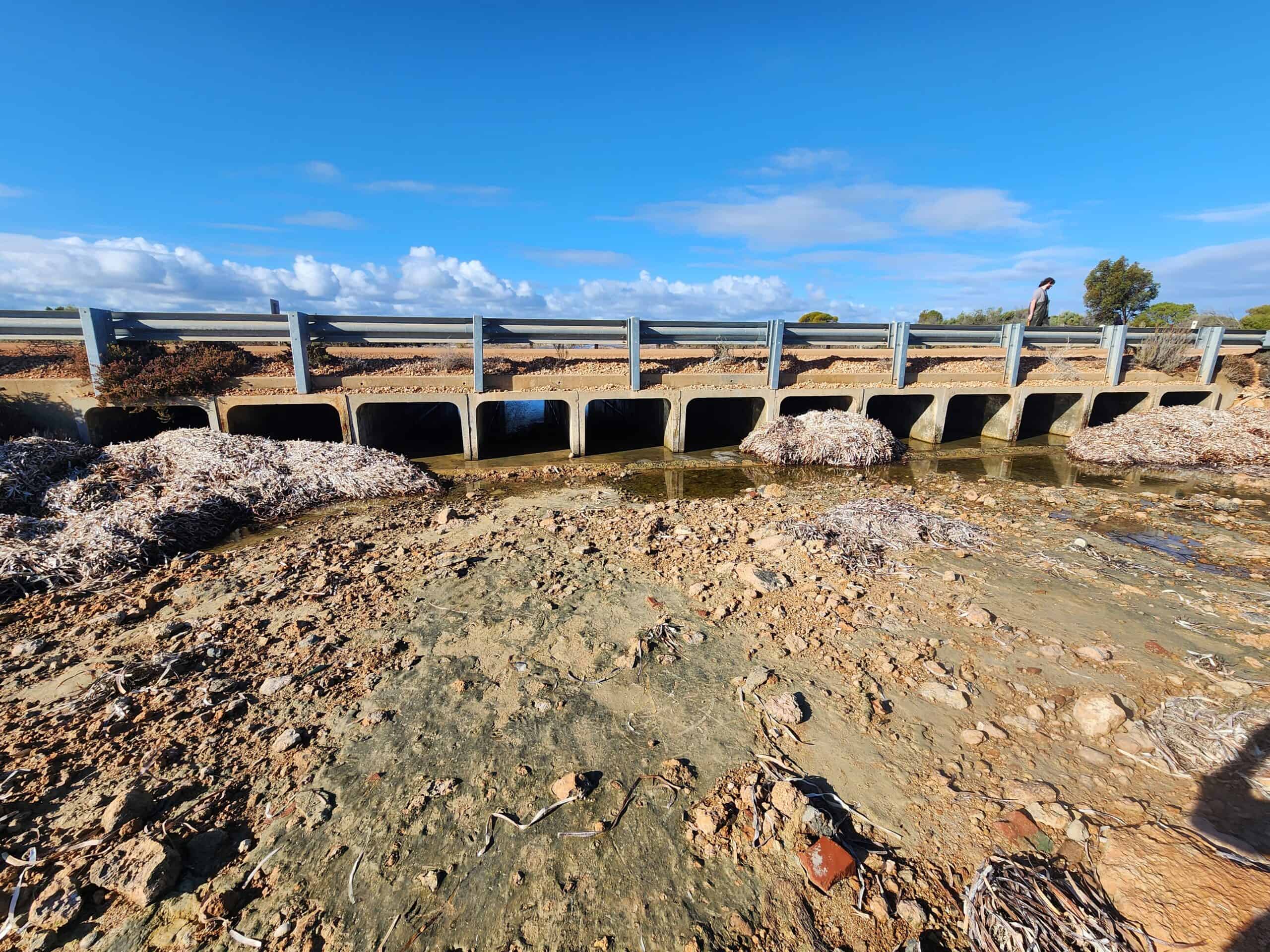
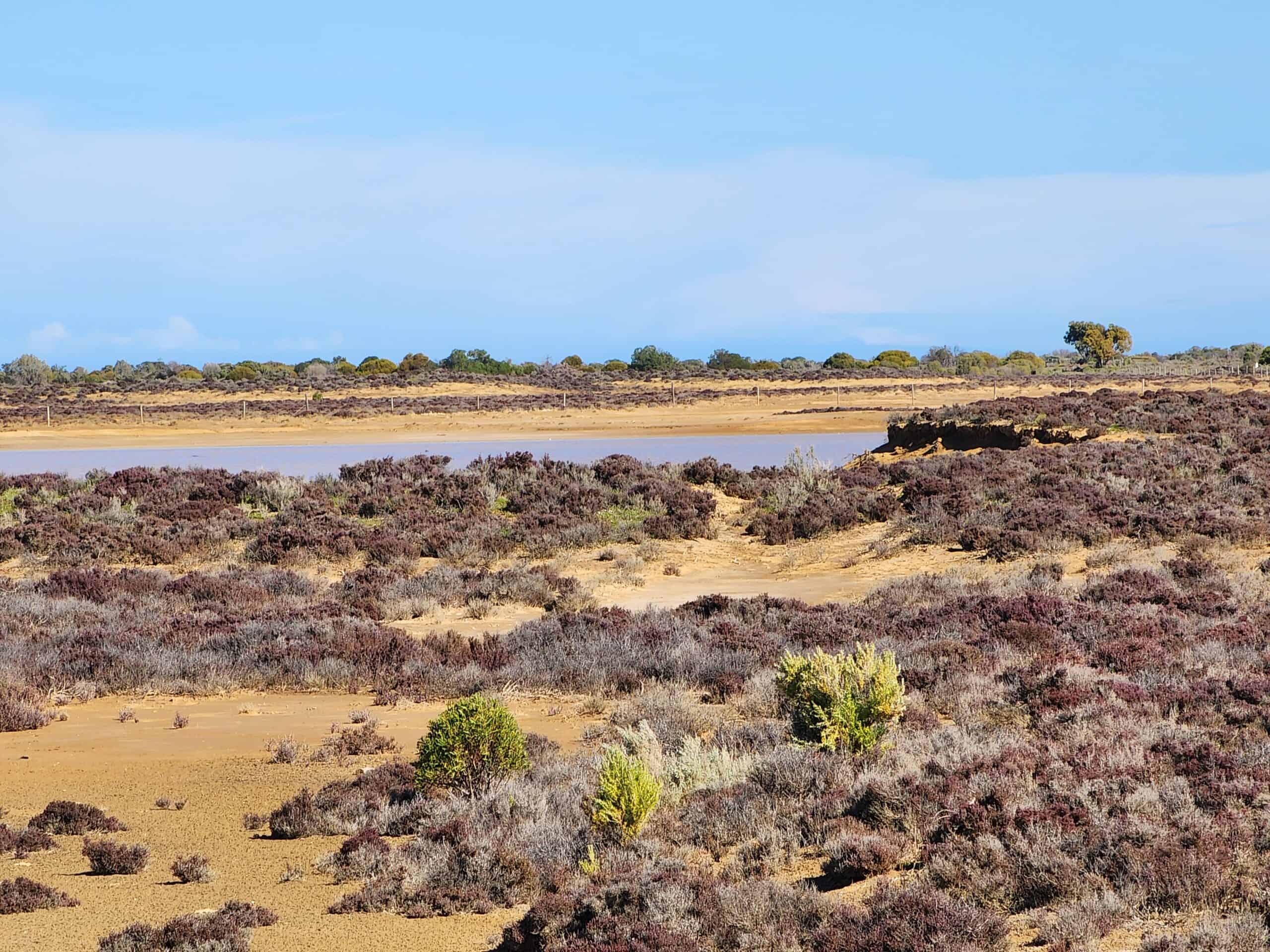
A concept design was created and further developed into a detailed design using the modelling outputs to optimise for constructability, cost and effectiveness in bringing tidal flows back into the area.
The outcome was the construction of a series of culverts running beneath the road at a range of locations which was completed in early 2025. A series of high tide events have shown good connectivity to the tidal wetlands. Monitoring of the impact of the works is ongoing including the biodiversity and associated carbon gains. This will increase the knowledge of this emerging approach and help with the development of further projects to help decarbonise the atmosphere.
The site was the first one to be registered with the Australian Government’s Clean Energy Regulator for Blue Carbon credits in South Australia.
Further information about the project can be found here: https://www.natureaustralia.org.au/newsroom/coastal-restoration-achievement/
Water Technology assessed the extent of bank erosion and determined the feasibility of bank treatment options...
Water Technology supported the development of the innovative mangrove wetland, from the vision to the conceptual design through to monitoring post construction...
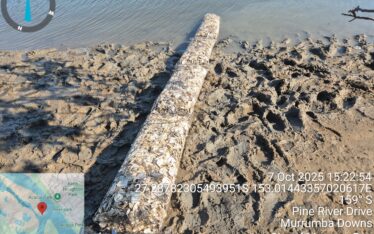
Water Technology provided support with the design and certification of oyster reef installations, in addition to monitoring and recording changes in the upstream and downstream locations of the oyster reefs...