Restoring the Banks of Waterways in the Shoalhaven Region
Water Technology assessed the extent of bank erosion and determined the feasibility of bank treatment options...
Oysters, which are one form of shellfish, are bivalves that like to live in aggregations, resulting in structure-forming populations or shellfish reefs. Shellfish have historically played a large role in nutrient removal, but overharvesting and other human activity has led to their numbers reducing drastically across Australia. There has been a recent focus in Australia on the potential to use constructed shellfish reefs as a nature-based solution to water quality issues.
The construction of shellfish reefs is being trialled in numerous locations to help increase their numbers, but also to help improve our understanding of their benefits for water quality.
One of these trials is being led by Unitywater in partnership with the University of the Sunshine Coast, OzFish and Healthy Land and Water. They are testing the value of oyster reefs in abating nutrients (in particular Total Nitrogen) downstream from Unitywater’s Murrumba Downs Wastewater Treatment Plant in Queensland.
Additionally, this project seeks to assist with obtaining regulatory recognition for oyster reefs as an option for nutrient offsets.
Provide support with the design and certification of the oyster reef installations and monitoring and recording any changes in the upstream and downstream locations of the oyster reefs
North Pine River Queensland
Unitywater
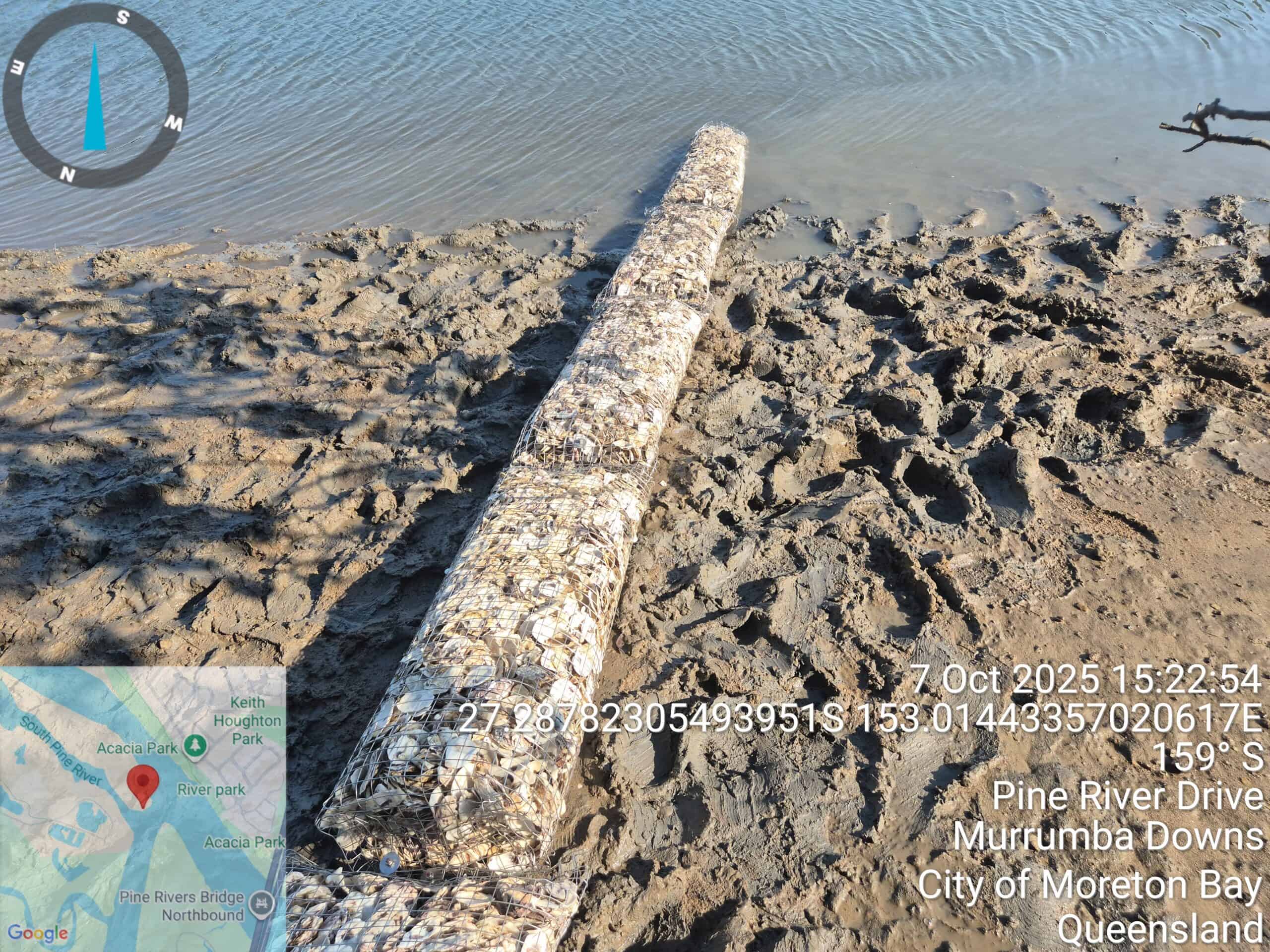
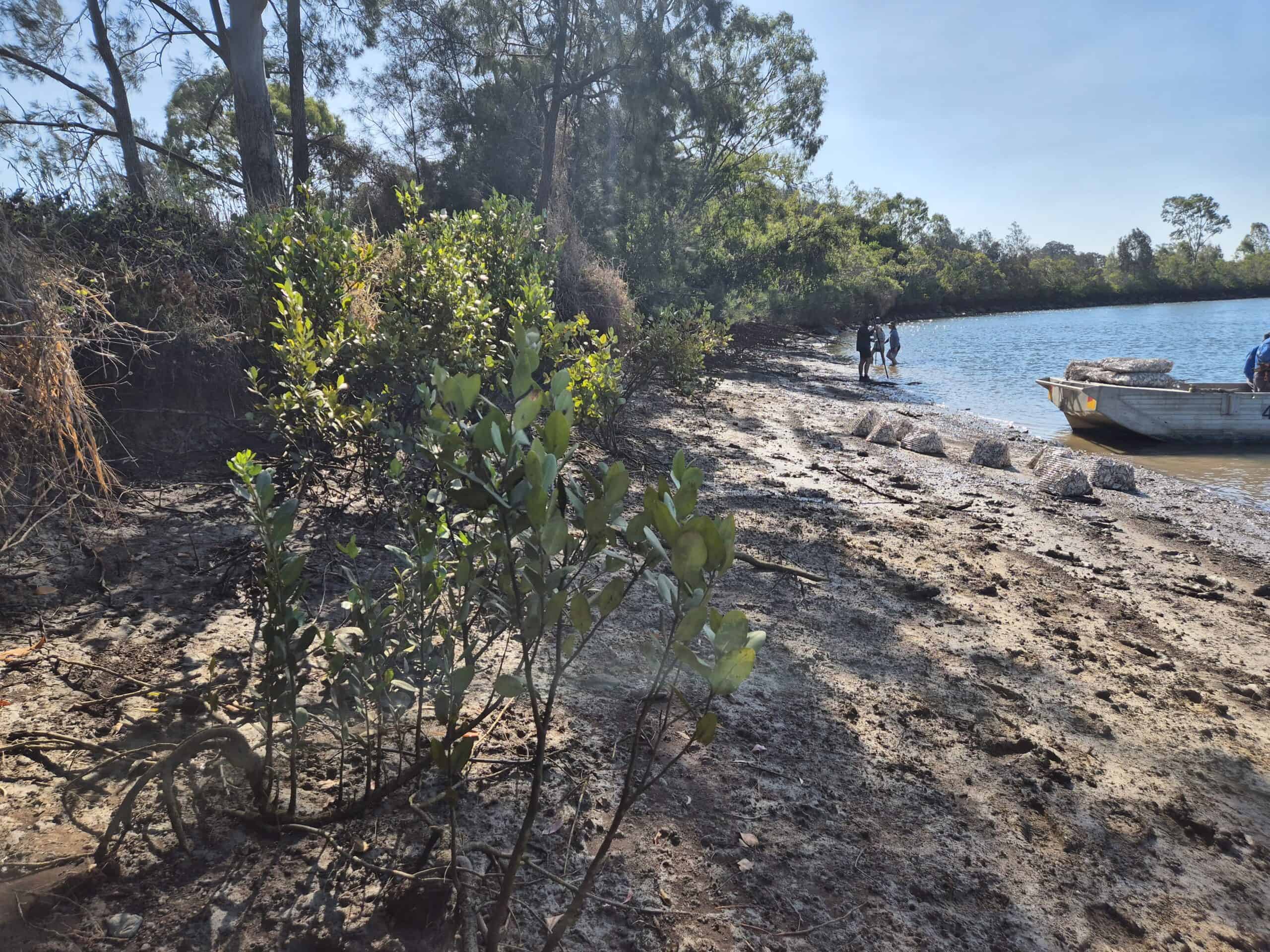
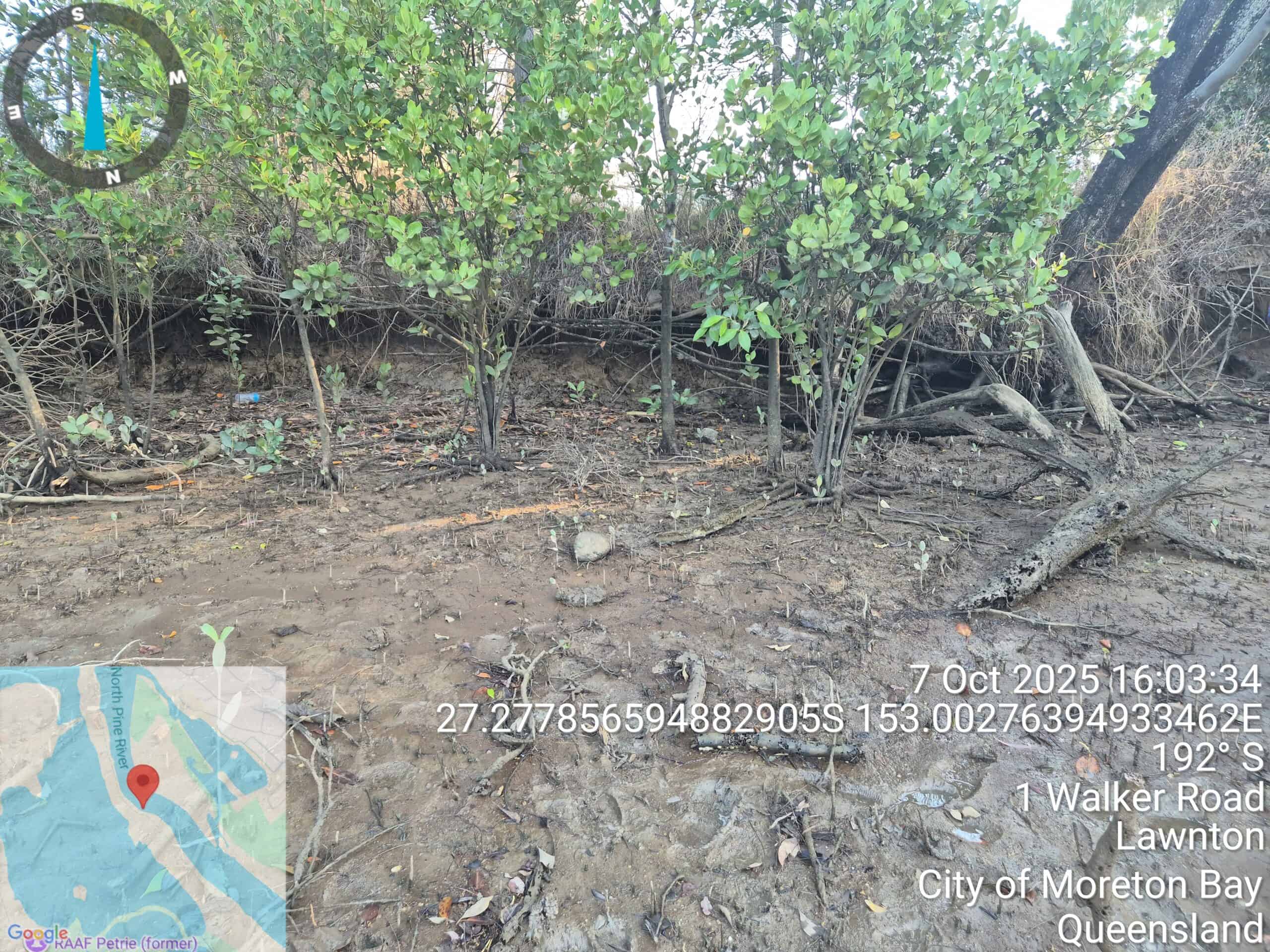
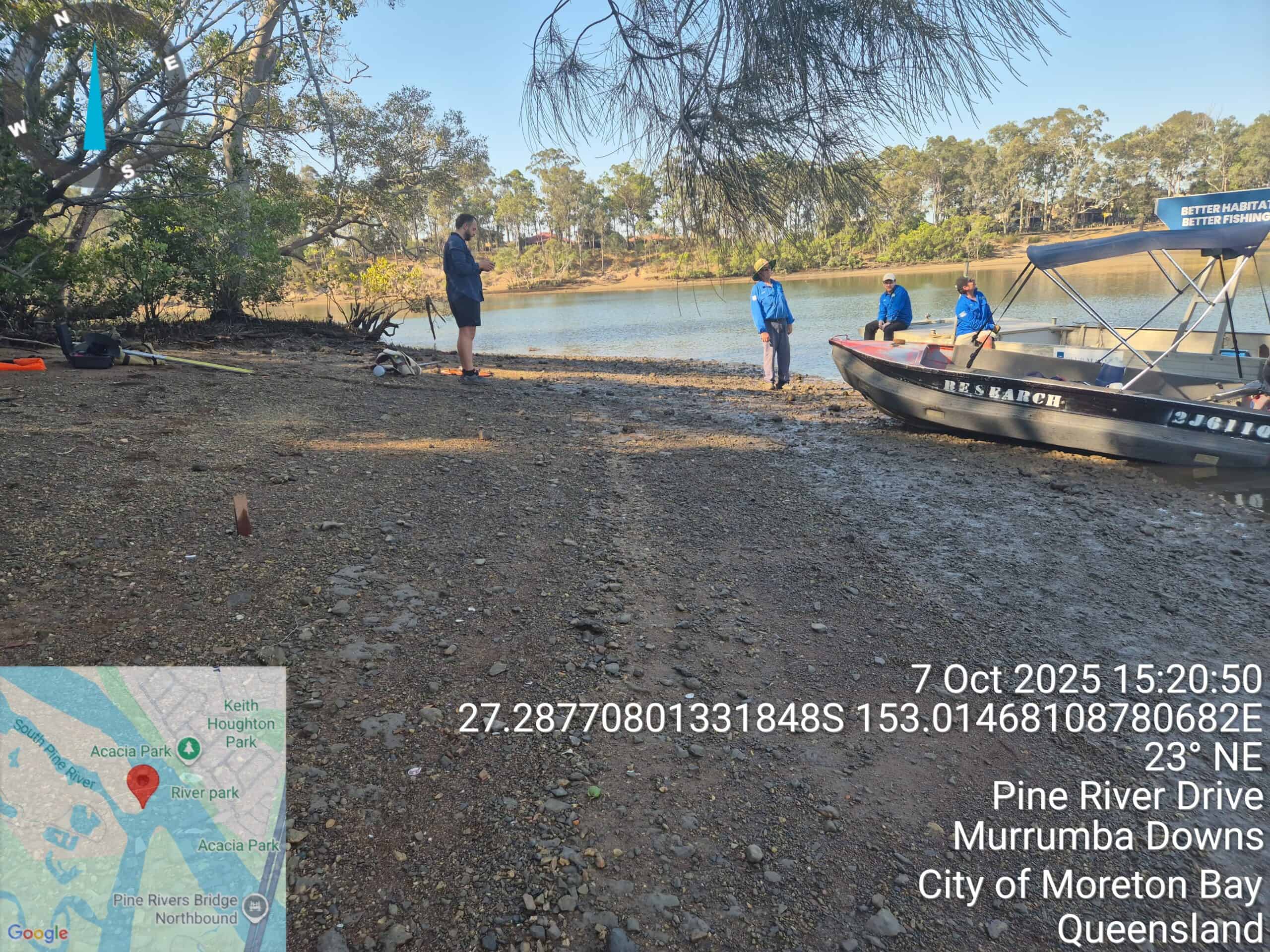
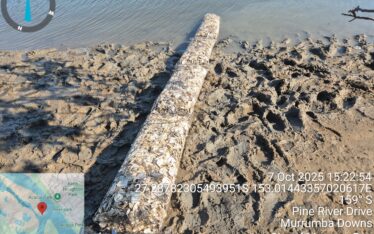
The constructed oyster reefs, located in three places in North Pine River, are made up of durable baskets developed by OzFish volunteers, and each filled with recycled and decontaminated oyster shells.
The University of the Sunshine Coast has been monitoring the reef installation(s) since the first site was installed in 2023 (and a further two sites added in October 2025).
The findings have shown that the reefs are helping to filter the water and are improving the quality in the North Pine River. Nutrients are being stored within the shellfish tissue, the reef structure itself and the sediments.
Water Technology has been involved in this exciting project – from providing support with the design and certification of the oyster reef installation to now monitoring and recording any changes in the upstream and downstream locations of the oyster reefs – in the river banks, mudflats, intertidal zones and the floodplain.
Initial baseline assessments of the North Pine River (reach and bank condition) were undertaken by Water Technology prior to each installation of the oyster baskets. Ongoing monitoring methods were also recommended and installed by Water Technology including the use of: (i) erosion pins, (ii) buried plates, (iii) photo point monitoring and (iv) Real-Time Kinematic Global Navigation Satellite System (RTK-GNSS) monitoring. Regular measurements are undertaken and reported on.
We are proud to be involved in this program of work to support the monitoring and knowledge building of an innovative nature-based approach to water treatment and river health that also has broader sustainability outcomes in terms of recycling, bank stabilisation and maintaining biodiversity.
Water Technology assessed the extent of bank erosion and determined the feasibility of bank treatment options...
Water Technology supported the development of the innovative mangrove wetland, from the vision to the conceptual design through to monitoring post construction...
Water Technology provided support with the design and certification of oyster reef installations, in addition to monitoring and recording changes in the upstream and downstream locations of the oyster reefs...