Restoring the Banks of Waterways in the Shoalhaven Region
Water Technology assessed the extent of bank erosion and determined the feasibility of bank treatment options...
Riverine flooding can result in widespread infrastructure and river bed damage, in addition to disruption and distress to the communities affected. Flooding is the most common hazard in New Zealand in terms of frequency, losses and declared emergencies.
Northland Regional Council works with iwi and hapu (clan) across the area as part of an ongoing region-wide initiative to help improve resilience of vulnerable Marae. Mangamuka Marae is located south of the Mangamuka range. This Marae belongs to the Ngāpuhi confederation (Puhi Kai Ariki, Puhi Moana Ariki, Puhi Taniwharau).
The Mangamuka Marae is prone to flooding during the 100-year flood event and the community raised concerns around erosion “eating up” the bank immediately adjacent to the buildings.
Northland Regional Council identified several potential options to address the issues, including creating an overflow spillway and re-profiling of the waterway benches.
Review the past flooding events, create a model and validate the outputs in collaboration with the Council and Community
Mangamaku Marae Catchment New Zealand
Northland Regional Council
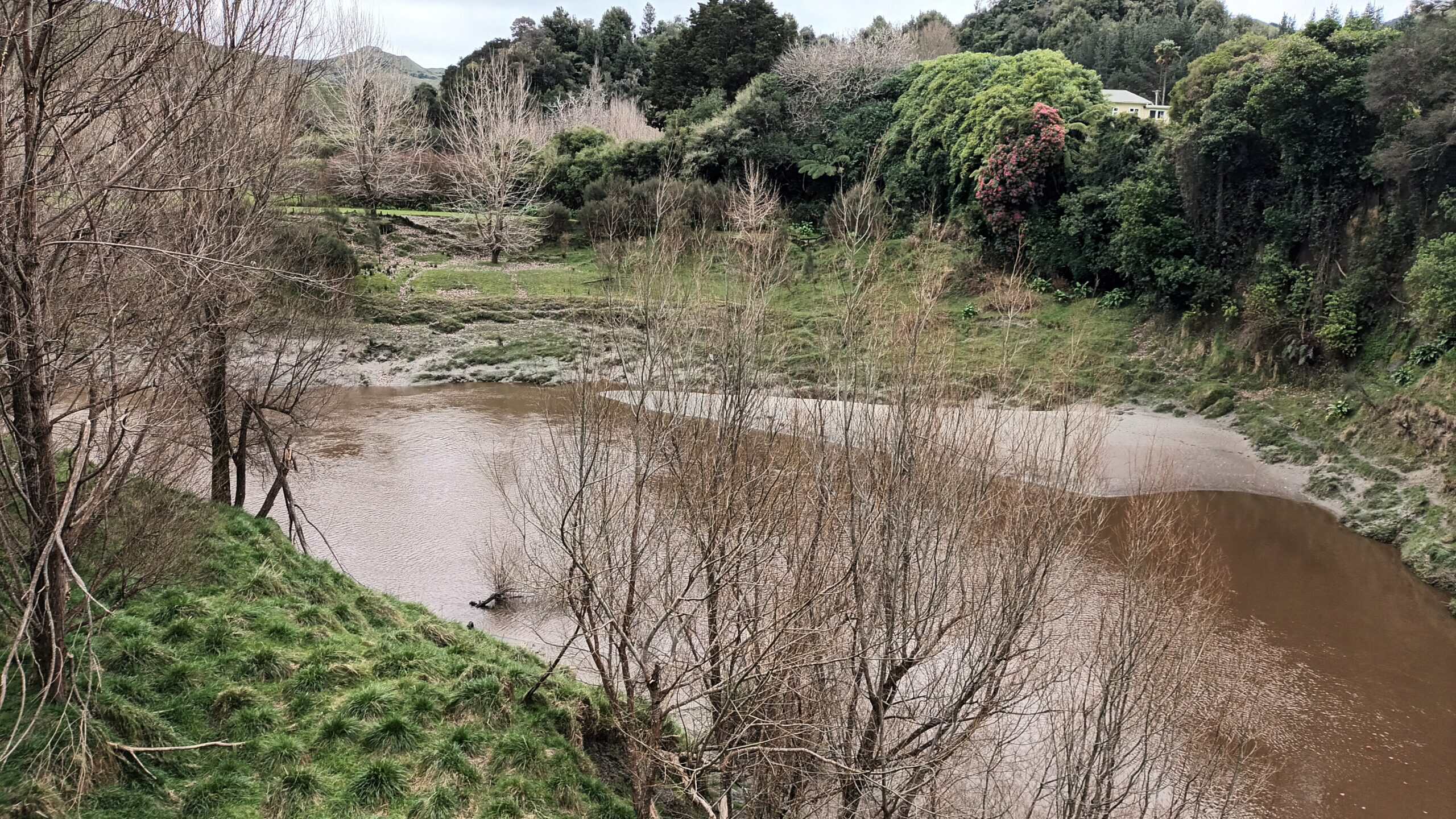
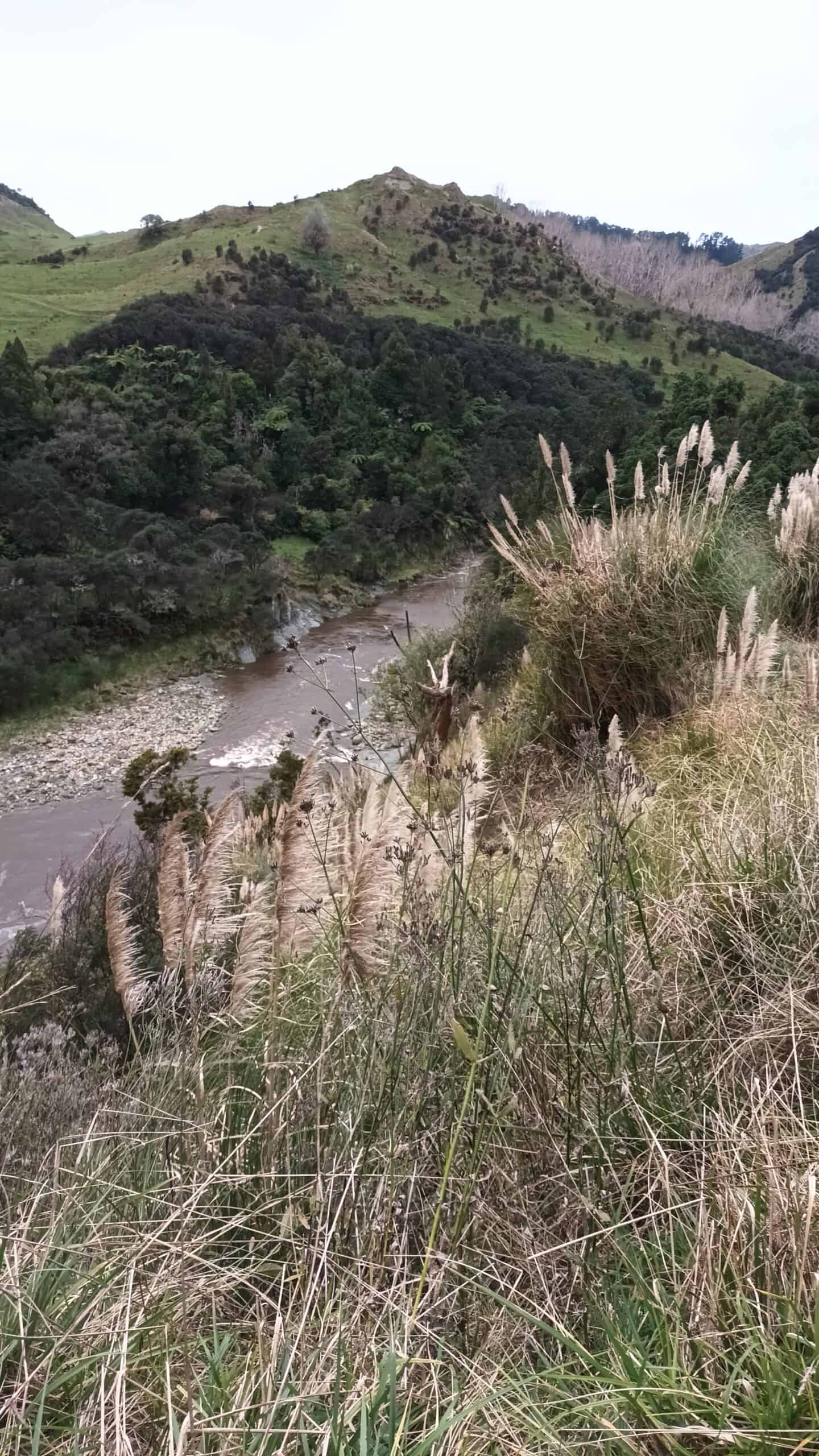
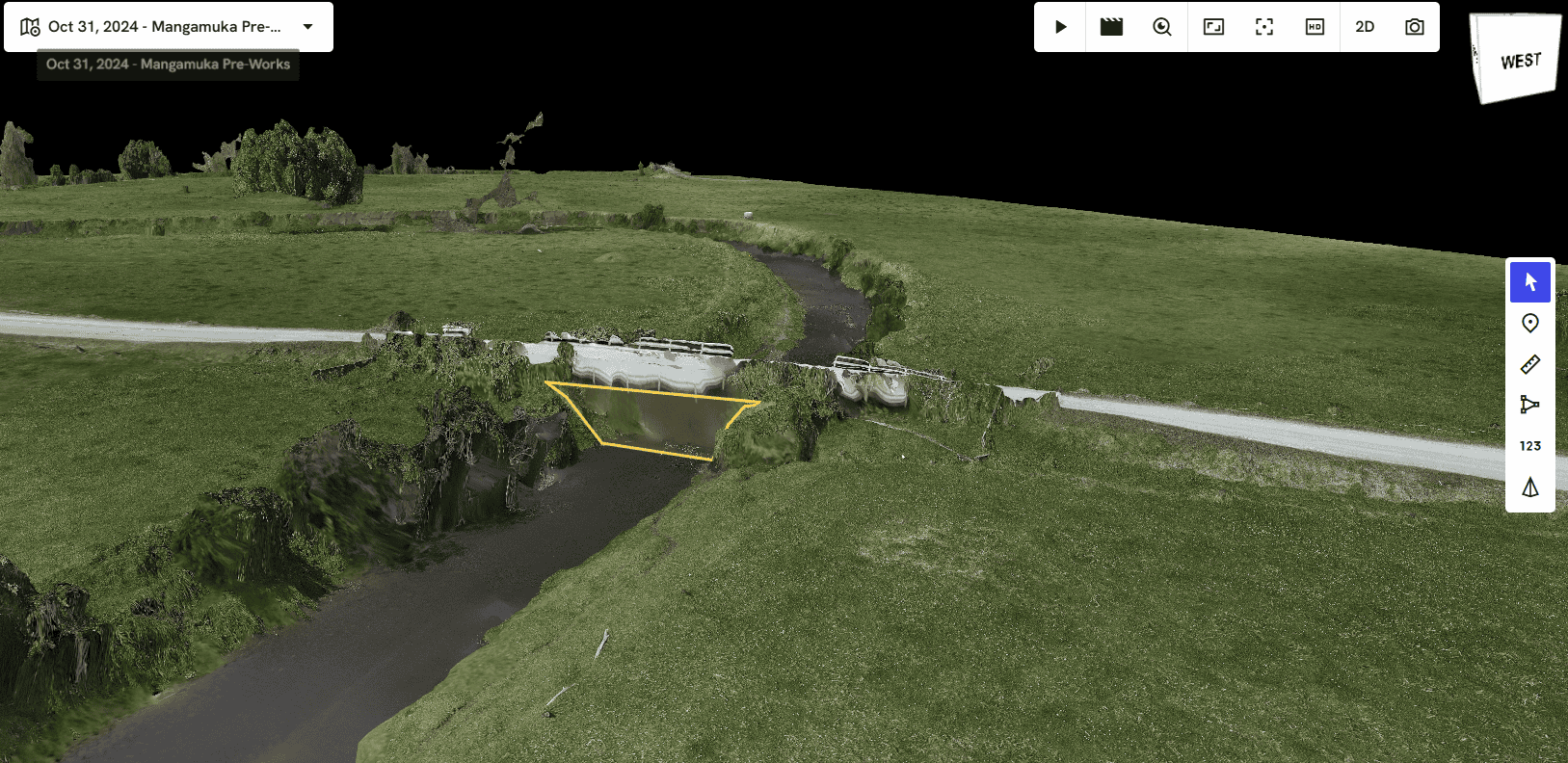
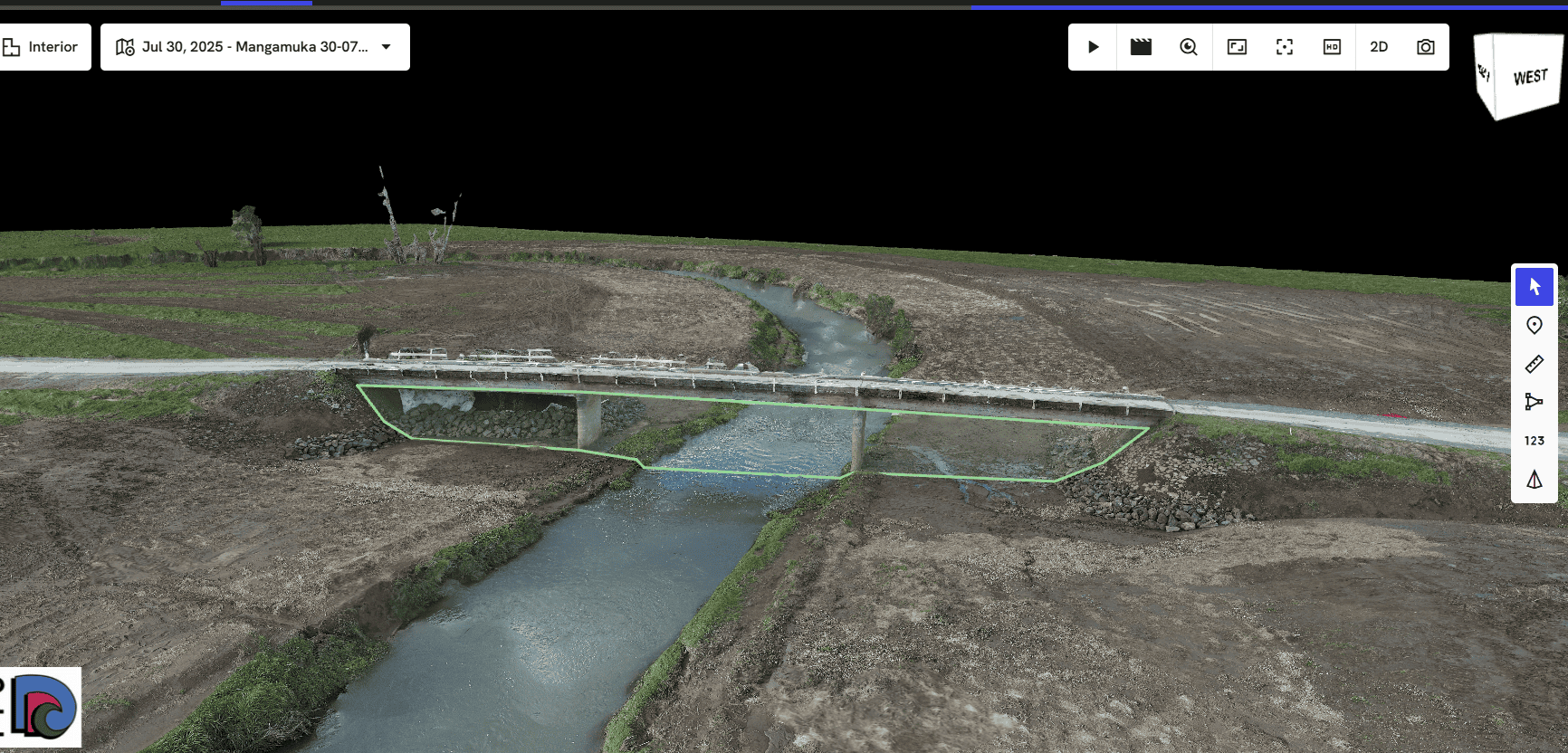
Water Technology worked closely with Northland Regional Council to test the potential options using modelling approaches and produced comparison maps that were used to inform several community hui (meetings).
Northland Regional Council decided to progress with benching and civil works were completed in 2025.
The works resulted in the removal of significant sediment volumes, including below the Iwitaua Road bridge. This improved the conveyance of water across the wider area.
The project demonstrated that at local scale, natured-based solutions can make a significant difference to existing erosion and flooding concerns.
Northland Regional Council shared photos with us which showed the marked differences caused by the work, enabling us to see how our modelling can translate into real-life improvements.
We acknowledge the funding awarded from the Ministry for the Environment in New Zealand for supporting this work.
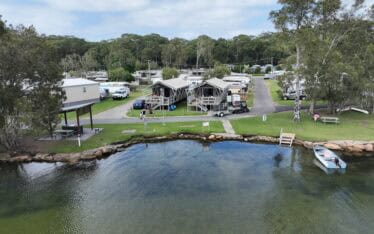
Water Technology assessed the extent of bank erosion and determined the feasibility of bank treatment options...
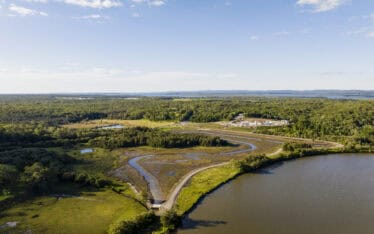
Water Technology supported the development of the innovative mangrove wetland, from the vision to the conceptual design through to monitoring post construction...
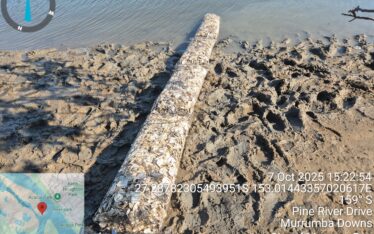
Water Technology provided support with the design and certification of oyster reef installations, in addition to monitoring and recording changes in the upstream and downstream locations of the oyster reefs...